
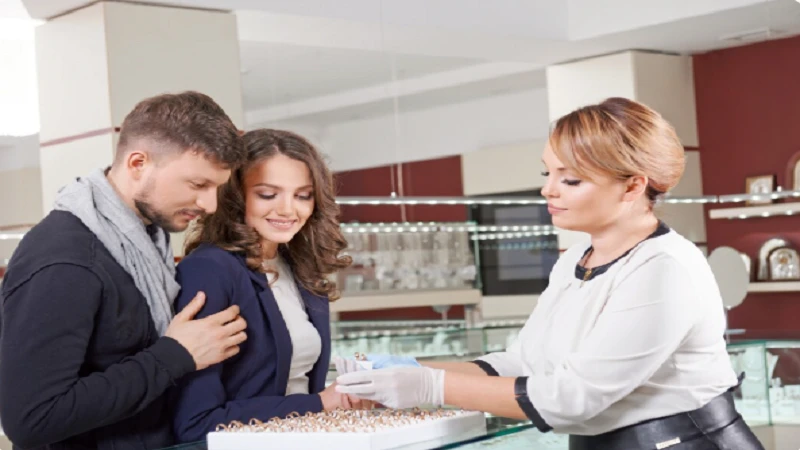
Arizona’s jewelry market has become noticeably more active, with more people buying and selling than in previous years. This shift is driven by a mix of strong pricing for gold and diamonds, changing financial priorities, and easier access to information and services. Jewelry is no longer seen only as something to wear but also as an asset that can be used strategically when needed. Buyers are drawn by value and variety, while sellers are motivated by flexibility and timing. When both sides become more informed and engaged, isn’t it natural for the entire market to accelerate?
What Makes Arizona Such a Hotspot for Jewelry Deals?
Arizona has developed a reputation as a place where jewelry buying and selling feels both active and accessible. The state has a strong presence of gold, diamonds, and high-value pieces, supported by a network of experienced buyers and informed sellers. This creates a competitive environment where pricing tends to stay relatively fair compared to less active markets. People often find that they have more options, which naturally leads to better outcomes on both sides of the transaction.
There is also a deeper cultural and historical connection to jewelry and precious metals in the region. Arizona has long been associated with mining, craftsmanship, and trade, which continues to shape how people view jewelry today. Many buyers and sellers approach transactions with a practical mindset, treating jewelry as both a personal item and a financial asset. This balanced perspective helps keep the market moving and encourages more participation from everyday individuals.
More People Are Selling, Here’s What’s Behind It
One of the biggest drivers behind increased selling activity is the strong pricing environment for gold and diamonds. When prices rise or remain stable at higher levels, more people begin to see their jewelry as an opportunity rather than just a possession. Items that once sat unused in drawers are now being evaluated for their real market value. This shift has encouraged people to act, especially when they realize how quickly those items can be converted into cash.
At the same time, lifestyle changes are playing a major role. Many people are downsizing, decluttering, or reassessing what they truly need to keep. Inherited jewelry, in particular, is often sold when it doesn’t align with personal style or practical use. Instead of holding onto pieces out of obligation, sellers are choosing flexibility and liquidity. This trend reflects a broader shift toward simplifying finances and making more intentional decisions.
Why Buyers Are Showing Up in Bigger Numbers
Buyers are entering the market in greater numbers because jewelry is increasingly seen as more than just a luxury purchase. For many, it represents a way to store value in a tangible, wearable form. Gold and diamonds, in particular, tend to hold long-term appeal, which makes them attractive during uncertain economic periods. This dual role, personal enjoyment and potential investment, adds to the appeal.
There is also growing interest in pre-owned and vintage pieces, which often offer better value than buying new. Buyers can find high-quality items at lower price points, sometimes with unique designs that are no longer widely available. This makes the experience feel both practical and distinctive. As more people become aware of these advantages, demand continues to grow steadily.
How Tourism Quietly Fuels the Jewelry Market
Tourism plays a subtle but consistent role in keeping Arizona’s jewelry market active. Visitors often look for items that feel meaningful or memorable, and jewelry naturally fits that category. Whether it’s a gift, a souvenir, or a personal purchase, these transactions add steady demand throughout the year. Even short-term visitors contribute to overall market momentum.
Seasonal residents also have a noticeable impact. People who spend part of the year in Arizona often engage in buying or selling while they are there, especially if they are managing multiple properties or lifestyles. This creates recurring waves of activity that keep the market from slowing down. Over time, these patterns help sustain a level of demand that goes beyond the local population.
Buying and Selling Has Never Been Easier
Technology has made the process of buying and selling jewelry far more convenient than it used to be. Online evaluations, virtual consultations, and digital marketplaces allow people to explore options without committing immediately. This lowers the barrier to entry, especially for first-time sellers who may have been hesitant in the past. It also allows buyers to compare offerings more efficiently before making a decision.
At the same time, digital tools have increased transparency. People can research pricing trends, understand the value of materials, and learn what to expect from a fair transaction. Social media has also played a role by exposing more people to market opportunities and trends. Even so, many still prefer to complete transactions in person, combining online research with face-to-face trust.
Smarter Consumers Are Changing the Game
Today’s buyers and sellers are more informed than ever, and that is reshaping the entire market. People are taking the time to understand what they own or what they are buying, rather than relying solely on quick opinions. Certifications, appraisals, and documented histories are becoming more important in decision-making. This added awareness helps reduce uncertainty and builds confidence on both sides.
As expectations rise, transparency has become a key factor in successful transactions. Sellers want clear explanations of how value is determined, while buyers want reassurance about quality and authenticity. Many sellers are now turning to reputable local jewelry buyers who can provide clear explanations and transparent evaluations, rather than relying on quick, unclear offers. Over time, this shift toward clarity and education is strengthening trust and improving overall experiences.
The Economic Factors You Can’t Ignore
Economic conditions are playing a significant role in the increase in jewelry transactions. Inflation and rising living costs have pushed some people to look for ways to access quick liquidity. Jewelry, especially gold-based items, provides a relatively easy way to unlock value without long delays. This makes it an appealing option compared to more complex financial assets.
At the same time, a strong local economy supports continued buying activity. People who are financially stable are more likely to invest in jewelry, whether for personal use or as a store of value. Migration trends also contribute, as new residents bring different purchasing habits and financial resources. Together, these factors create a balanced environment where both buying and selling can thrive.
What This Trend Could Mean Going Forward
The current momentum suggests that Arizona’s jewelry market will remain active in the near future. As more people become comfortable with buying and selling, participation is likely to continue growing. This increased activity tends to attract more professionals into the space, which can improve service quality and overall standards. A more developed market benefits everyone involved.
Looking ahead, competition is likely to drive better pricing, clearer communication, and more customer-focused experiences. Buyers and sellers will continue to expect transparency and convenience, especially as digital tools evolve. Arizona is well-positioned to strengthen its role as a major hub for jewelry transactions. If current trends hold, the market will become even more accessible and efficient over time.
Conclusion
What’s happening in Arizona reflects a broader change in how people think about ownership, value, and financial options. Jewelry is being treated as both a personal item and a practical resource, which keeps demand and supply moving at the same time. Better access to information, stronger competition, and shifting economic conditions are all reinforcing this cycle. As participation grows, the market becomes more efficient and easier to navigate for everyone involved. If these patterns continue, could this become the new normal rather than a temporary surge?See More