
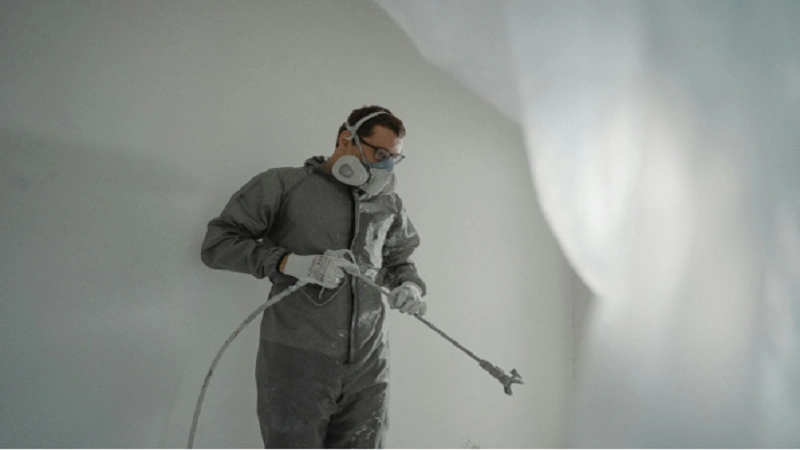
When considering how to make your house look better, the thought of painting the exterior may come to mind as a seemingly superficial fix. However, at a certain point, you can observe signs that extend beyond the aesthetic plane: fading color, peeling surfaces, or hairline cracks, which are easy to dismiss as minor cosmetic problems.
In actuality, the symptoms tend to indicate something even more serious: ongoing damage from sun, moisture, and changing weather patterns. Exterior maintenance may go unnoticed, leading to costly structural repairs in the future. It is as important to understand the protective role that painting plays as it is the correct color.
This article addresses exterior painting as a valuable protective measure for your home, helping maintain its structural integrity and preserve its overall value.
1. Creating a Protective Barrier Against Harsh Weather
When you paint the front of your house, you are not simply enhancing its beauty. A good exterior coating provides a shield between your home’s surfaces and the environmental conditions that constantly act against them.
That barrier protects materials from UV radiation, which over the years can degrade siding, fade finishes, and weaken protective coatings. An appropriately applied exterior coating is a significant retardant of this deterioration.
Wetness is also important. Surfaces are repeatedly subjected to expansion and contraction due to rain, snow, and rapid temperature changes. Unattended, this movement creates cracks that allow water to penetrate. A properly coated paint system will seal these micro-gaps and reduce the risk of internal damage.
Fundamentally, exterior painting is not only about color; it is the initial line of defense around your home as it faces the stresses of the environment.
2. Preventing Structural Damage from Moisture and Temperature Shifts
Freeze-thaw climates are common in regions where temperatures vary significantly between warm days and cold nights (freeze). This continuous motion causes construction materials to expand and contract, slowly wearing away the exterior surfaces.
This cycle results in cracking, peeling, and, ultimately, structural exposure when left unprotected. When moisture gets into such openings, it can destroy wood, siding, and the structure upon which the home is built.
Exterior paint is an elastic protective coating that bends with the slightest surface movement, helping preserve the structural integrity of your exterior.
Correct surface preparation before painting, including cleaning, sealing, and plugging any imperfections, further enhances durability. It is a process in itself rather than the product used. This strategy will help avoid costly repairs resulting from underlying moisture damage and material corrosion.
3. Extending the Lifespan of Exterior Materials
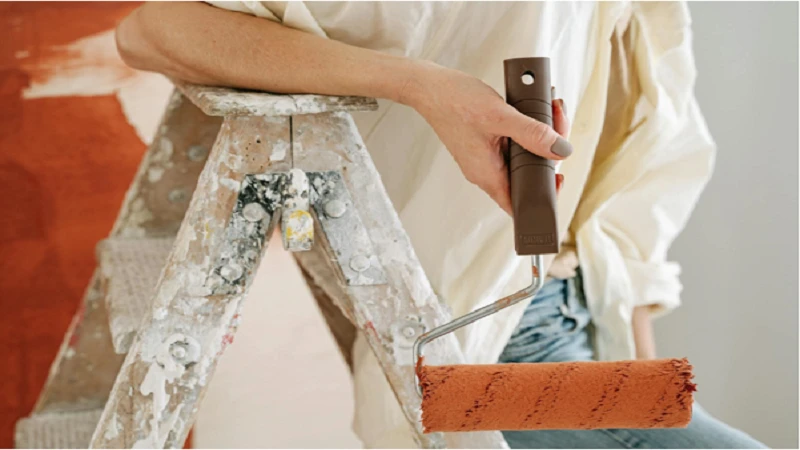 All houses are built with materials that will last, but none are entirely immune to environmental damage. All types of siding, including wood, stucco, fiber cement, and more, deteriorate when exposed to prolonged weather conditions. These materials can be much more durable, however, with appropriate painting and maintenance.
Paint has a coating that can absorb environmental impacts, leaving the underlying material intact. A good exterior finish also reduces surface erosion from wind-driven dust and debris, which is especially pertinent in open or elevated areas where wind is a constant factor.
This protective influence will, in the long run, slow down the natural process of aging exterior materials, and thereby the life of your home will increase, and you will not need to replace or repair your home prematurely.
4. Improving Energy Efficiency and Indoor Comfort
Exterior painting has a very minor yet significant part in controlling the internal environment of your home. Light-reflective finishes may help lower heat gain in warmer months, maintain lower indoor temperatures, and place less pressure on cooling systems.
On the other hand, a well-sealed and well-maintained exterior will reduce air infiltration through small cracks and gaps, enhancing insulation during colder seasons when heat retention is most important.
Exterior paint also prevents moisture intrusion, which, in turn, indirectly affects indoor air quality. Although these effects might not always be apparent at any given time, their overall effect is to create greater year-round comfort and more stable energy consumption.
5. Preserving Property Value and Curb Appeal
 Although the main role is protection, appearance also plays a major role in a property’s valuation. A well-maintained exterior sends a message to both buyers and neighbors that the home has been well cared for. By contrast, peeling or faded surfaces can give an impression of neglect – even when the structure beneath is good.
The exterior paint can also be used to maintain the architectural identity of a home, be it modern, traditional, or more regionally unique. New, smooth brush strokes contribute to visual equilibrium and to strengthening the overall design purpose.
Periodic maintenance also minimizes the risk of increased future restoration expenses, which has a direct positive impact on resale value. In that regard, exterior painting is not merely a protective measure – it is a good financial investment.
Final Thoughts
Exterior painting is much more than a superficial update. A good paint system is an important protective coating that helps prevent moisture damage, UV degradation, temperature-driven wear, and energy inefficiency. Its position is far deeper than that.
By considering exterior maintenance as a long-term preventive investment rather than a periodic aesthetic makeover, you are, in fact, doing your home’s value, durability, and structural health a favor.See More