
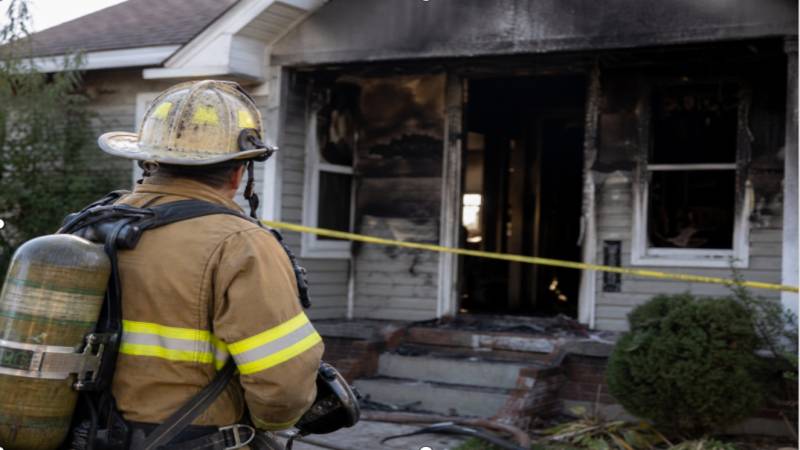
Key Takeaways
- Put safety ahead of cleanup, repairs, or saving belongings.
- Wait for official approval before entering a fire-damaged home.
- Take photos, save receipts, and keep a written record of every step.
- Do not dispose of damaged property before documenting it for insurance purposes.
- Expect smoke, soot, water, and electrical damage beyond the burned area.
- Ask for help with both practical needs and emotional recovery.
Table of Contents
- Focus on Safety During the First Hours
- Wait for Clearance Before Re-Entering
- Arrange Housing and Daily Needs
- Document Damage and Start Your Claim
- Handle Cleanup and Belongings Carefully
- Plan Repairs, Rebuilding, and Recovery
- Build a Safe Path Forward
After a house fire, it can be hard to know what to do first. The most important goal is to protect people from harm, then take steady steps to protect the home, belongings, and insurance claim. When it is safe to begin recovery, professional fire damage restoration in the Bluegrass can help address smoke, soot, water, and structural concerns that may remain after the flames are out.
Recovery does not happen all at once. It often involves fire officials, insurance representatives, utility companies, contractors, and family members. Keeping clear records and handling one priority at a time can make a stressful situation feel more manageable.
Focus on Safety During the First Hours
First, make sure everyone is accounted for, including pets. Seek medical care for burns, breathing trouble, dizziness, chest pain, or smoke exposure. Keep children and pets away from the structure, and do not touch debris, damaged appliances, downed lines, gas equipment, or standing water. Ask for the fire incident number and, if possible, write down the names of key officials.
Once immediate danger has passed, homeowners in the area may need prompt help with fire damage restoration in Lexington. Fast action can help limit further damage, but no work should begin until the property is cleared for safe entry and the insurance provider has been contacted.
Wait for Clearance Before Re-Entering
A home may still be dangerous after the fire is out. Floors, walls, roofs, and ceilings can be weakened by heat or water. Broken glass, hidden hot spots, damaged wiring, gas leaks, and contaminated water may also create serious risks. Wait until the fire department, building official, or other authorized person says it is safe to enter.
Before anyone goes inside, confirm whether electricity, gas, and water have been turned off. Utility systems should be inspected and reconnected by qualified professionals. If officials approve limited entry, wear sturdy shoes, gloves, long sleeves, and a properly fitted mask when needed. Leave right away if you notice a gas smell, new smoke, shifting surfaces, or falling debris. The U.S. Fire Administration’s after-fire guidance offers useful information on early recovery, insurance, documents, and salvage decisions.
Arrange Housing and Daily Needs
A fire can interrupt normal life in a single night. Focus on the basics first: a safe place to sleep, prescription medication, clothing, toiletries, chargers, food, transportation, and access to important identification. If pets cannot stay with you, arrange food, medication, carriers, and temporary boarding.
Contact your insurance provider as soon as you can and ask whether temporary living expenses are covered. Depending on the policy, this may include hotel costs, meals above normal household spending, or other necessary expenses. Do not assume every purchase will be reimbursed. Save every receipt and ask the insurer how to submit it.
Document Damage and Start Your Claim
Take photos and videos as soon as it is safe. Start with wide shots of each room, then take close images of walls, ceilings, floors, appliances, furniture, personal items, soot, standing water, and visible smoke staining. Fire damage is not limited to burned rooms. Smoke odor, soot residue, firefighting water, and hidden moisture can affect other parts of the home.
Keep a Simple Damage Record
- Label photos by room and date.
- List damaged items, including brand, model, age, and estimated value when known.
- Save emails, estimates, inspection reports, invoices, and receipts.
- Write down the date and summary of every phone call.
- Do not discard damaged items until they have been documented and the insurer gives direction.
When opening the claim, ask for the claim number, the adjuster’s contact information, approved emergency work, temporary housing details, and the process for handling contents. Coverage depends on the policy, deductible, limits, exclusions, and cause of the fire. Keep important communication in writing whenever possible.
Handle Cleanup and Belongings Carefully
Cleanup after a fire is more than sweeping up ashes. Rubbing soot into walls, fabrics, or furniture can make staining worse. Smoke can remain in cabinets, insulation, carpets, ventilation systems, and personal items. Water used to put out the fire can also lead to moisture damage and mold if it is not removed quickly and properly.
Use four categories for belongings: items that appear safe to keep, items that need professional evaluation, items that are clearly destroyed, and sentimental items such as photos, letters, and heirlooms. Move only items that are safe to handle, and use clean bins or boxes to protect them. Ask restoration professionals for a written scope of work that explains what they will clean, remove, dry, store, or restore.
Plan Repairs, Rebuilding, and Recovery
Repairs should follow a logical order. Begin with safety inspections and temporary protection for broken windows, doors, or roof openings. Next, remove unsafe materials, dry water-damaged areas, inspect electrical and plumbing systems, and complete structural repairs. Cleaning soot and smoke residue should come before new paint, flooring, fixtures, and furniture.
When choosing contractors, compare written estimates, verify licensing when required, ask for references, and read every agreement before signing. Avoid pressure to make quick decisions or sign unclear forms. Keep copies of contracts, permits, change orders, and final inspection records.
Make Room for Emotional Recovery
It is normal to feel shock, anger, sadness, guilt, or trouble sleeping after a fire. Keep routines where possible, give children simple and honest information, and ask friends or relatives for specific help. A counselor or local support group may be useful if stress becomes hard to manage. The American Red Cross fire safety and recovery resources can also help families find support after a home fire.
Build a Safer Path Forward
Recovery after a house fire takes time, but each step has a purpose. Keep people safe, wait for clearance, document the damage, communicate carefully with your insurer, and use qualified help for hazardous cleanup and repairs. By focusing first on safety and then on the property, belongings, paperwork, and rebuilding process, homeowners can move forward with greater confidence.See More