
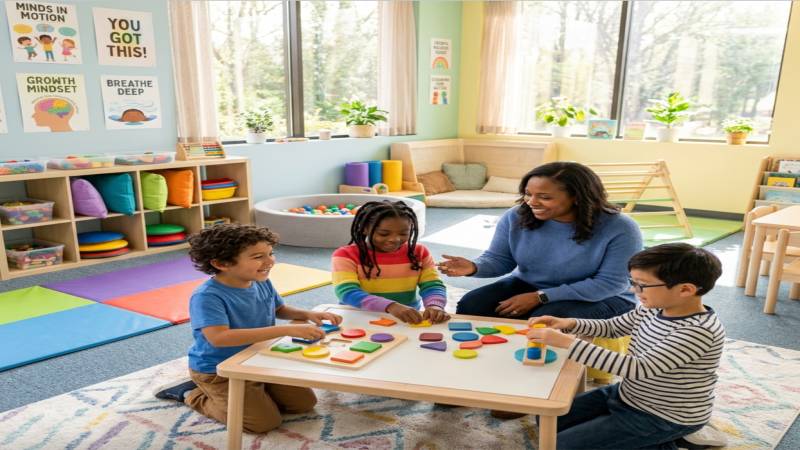
Many parents spend months—sometimes years—wondering why their child struggles to focus in class, can’t seem to sit still, or acts impulsively without thinking. The answer is often ADHD, one of the most common neurodevelopmental disorders in children. And the good news? With the right support, children with ADHD can thrive in ways that once felt out of reach.
This post walks through what children’s ADHD treatment really looks like today, why early intervention matters, and how a structured, compassionate approach can genuinely change a child’s trajectory.
Why ADHD in Children Goes Beyond “Just Being Hyper”
It’s a common misconception that ADHD is simply about energy levels. In reality, ADHD—Attention-Deficit/Hyperactivity Disorder—affects how a child’s brain manages attention, impulse control, and emotional regulation. These challenges show up differently depending on the child. One child may struggle to finish tasks. Another may blurt out answers, interrupt conversations, or experience intense emotional outbursts.
According to the CDC, approximately 9.4% of children in the United States have been diagnosed with ADHD. That’s millions of families navigating a condition that, without proper treatment, can affect academic performance, friendships, and self-esteem well into adulthood.
The earlier families seek help, the better the outcomes tend to be.
What Does Effective ADHD Treatment for Children Look Like?
There’s no one-size-fits-all answer—and that’s actually a strength of modern ADHD care. Effective treatment plans are tailored to the individual child, taking into account age, symptom severity, family dynamics, and co-existing conditions like anxiety or learning differences.
Behavioral Therapy: The Foundation of Care
For younger children, especially, behavioral therapy is widely considered the first-line treatment. Therapists work with children to develop coping strategies, organizational skills, and emotional regulation techniques. Parents are often involved in these sessions, learning how to reinforce positive behaviors at home.
Behavioral therapy isn’t a quick fix—it’s a skill-building process. But the habits children develop through consistent therapy tend to stick, creating a strong foundation for long-term success.
Medication: When and Why It’s Considered
Medication is a proven and often effective part of ADHD treatment for many children, particularly those with moderate to severe symptoms. Stimulant medications like methylphenidate and amphetamine-based options are the most commonly prescribed and have decades of research behind them.
Non-stimulant alternatives are also available for children who don’t respond well to stimulants or have other health considerations. Any medication decision should always involve a qualified healthcare provider who closely monitors the child’s response and adjusts as needed.
Medication works best when combined with behavioral therapy—not as a standalone solution.
School-Based Support and Accommodations
Children with ADHD often qualify for formal accommodations through their school, such as extended time on tests, preferential seating, or modified assignments. A well-structured Individualized Education Program (IEP) or 504 Plan can make a significant difference in how a child experiences their school day.
Coordinating between healthcare providers and educators ensures that the strategies used in therapy are reinforced in the classroom—creating consistency that children with ADHD particularly benefit from.
The Role of Specialized ADHD Services for Children
Families navigating ADHD for the first time can feel overwhelmed by the options. That’s where specialized behavioral health services come in. Children ADHD treatment delivered through a dedicated team of experienced clinicians, therapists, and child development specialists gives families access to comprehensive, coordinated care that addresses every dimension of their child’s well-being—from emotional regulation to academic readiness and social confidence.
Specialized services go further than a standard clinical visit. They assess the whole child, involve the family as active partners, and build individualized treatment plans that evolve as the child grows. This kind of thorough, ongoing care is what transforms a diagnosis from a source of stress into a starting point for meaningful progress.
How Parents Can Support Their Child at Home
Treatment doesn’t end at the therapist’s office. The home environment plays a huge role in how well a child with ADHD manages their daily life. A few approaches that consistently make a difference include:
- Predictable routines: Children with ADHD do better when they know what to expect. Consistent schedules for meals, homework, and bedtime reduce decision fatigue and minimize conflict.
- Clear, simple instructions: Breaking tasks into smaller steps and giving one direction at a time helps children follow through without becoming overwhelmed.
- Positive reinforcement: Celebrating small wins builds confidence and motivates continued effort. Focus on progress, not perfection.
- Reducing distractions: Creating a calm, organized homework space can significantly improve a child’s ability to focus.
- Open communication: Talking with children about ADHD in age-appropriate terms helps them understand themselves better and reduces feelings of shame or frustration.
Parents who feel equipped and informed become some of the most powerful forces in their child’s treatment journey.
What Progress Really Looks Like
It’s worth setting realistic expectations. ADHD treatment is not about “curing” a condition—it’s about helping a child build the tools they need to navigate the world confidently. Progress may look like fewer meltdowns at homework time, a better relationship with a teacher, or a child finally making a friend they feel understood by.
These milestones matter deeply. And they add up.
Many children who receive consistent, high-quality ADHD support go on to channel the very traits that once made things difficult—creativity, energy, out-of-the-box thinking—into genuine strengths. ADHD doesn’t have to define a child’s limitations. With the right treatment, it can become part of what makes them exceptional.
Taking the Next Step for Your Child
If you’ve been wondering whether your child’s struggles might be connected to ADHD, trust that instinct. Early assessment and treatment open doors that waiting can close. Reaching out to a behavioral health professional who specializes in children is the most concrete action a parent can take today.
Your child deserves a support system built around their specific needs—one that sees their potential as clearly as it recognizes their challenges.See More