
Is your central heating letting you down right when you need it most?
Most heating issues do not spontaneously occur. They happen over time(months, sometimes years) until one chilly morning…. the boiler quits.
Here’s the problem:
Four in five UK homeowners claim to be concerned about their boiler breaking down, according to a survey. However most only take notice of their heating when it isn’t working.
The good news?
With a few easy habits, most regular issues with central heating can be avoided. Knowing how often you should power flush your system is one of them.
Time to jump in!
Here’s What’s Inside:
- Why Central Heating Systems Break Down
- How Often To Power Flush Your System
- 5x Common Central Heating Problems
- The Maintenance Habits That Prevent Them
Why Central Heating Systems Break Down
Water hates metal. When you mix them together in your pipes and radiators they slowly react and cause corrosion.
Eventually that rust transforms into black, sticky mud known as sludge (also magnetite). It settles at the bottom of your radiators, obstructing your pipes and enters your boiler.
And you don’t realize how big of a problem it is. According to industry research, Sludge is the cause of 60% of boiler breakdowns each year.
No sludge = fewer breakdowns.
It really is that simple.
How Often To Power Flush Your System
A power flush is like giving your central heating system a good clean. An engineer attaches a powerful pump to your system. Water and chemicals are forced around your heating at high pressure. This washes out all the sludge, rust and debris.
So, how often should you do it?
Many heating engineers will advise you to get a power flush every 5x or 6x years. However it really depends on how old your system is and what symptoms your heating system is showing. Check out the average power flush cost before you book one so you know how much you should expect to pay for your pipes, radiators and boiler to be fully cleaned.
You should also power flush when:
- You’re fitting a new boiler (many manufacturers need it for the warranty)
- Your radiators have cold spots at the bottom
- The water is black or brown when you bleed a radiator
- Your boiler is noisy or slow to heat up
Determining how frequently you need to power flush can mean the difference between routine maintenance and costly repairs.
5x Common Central Heating Problems
Ok. Now for the problems… These are the BIG 5x problems that are found time and time again in the UK.
Cold Spots On Radiators
Is the top of your radiator warm but the bottom stone cold?
That is sludge. It sinks to the bottom and stops the hot water circulating. Sludge can reduce your radiator’s heat output by up to 47%.
When the cold spot is at the top, the problem is typically air being trapped. A quick bleed should solve the issue.
Low Boiler Pressure
Boilers require a certain level of water pressure to operate efficiently. For most systems, the ideal pressure when cold is between 1- 1.5 bar.
Continual loss of pressure could indicate that you have a leak. Alternatively you may have bled your radiators and not refilled the system back up. If your boiler pressure is too low it can cause your boiler not to fire up.
Noisy Boiler (Kettling)
Does your boiler sound like a kettle boiling?
The term for this is kettling. It occurs when limescale/sludge accumulates on the heat exchanger causing the water to overheat, turn to steam and bubble/rumble.
It’s not just irritating… It makes your boiler work harder and can shorten its lifespan.
Frozen Condensate Pipe
Here’s one that catches loads of people out every winter.
Condensing boilers these days come with a tiny plastic pipe going outside. When it gets freezing cold, water will freeze inside of it and clog it up. Your boiler will shut off on itself to prevent damage.
The fix? Pour warm (not boiling) water over the pipe to thaw it.
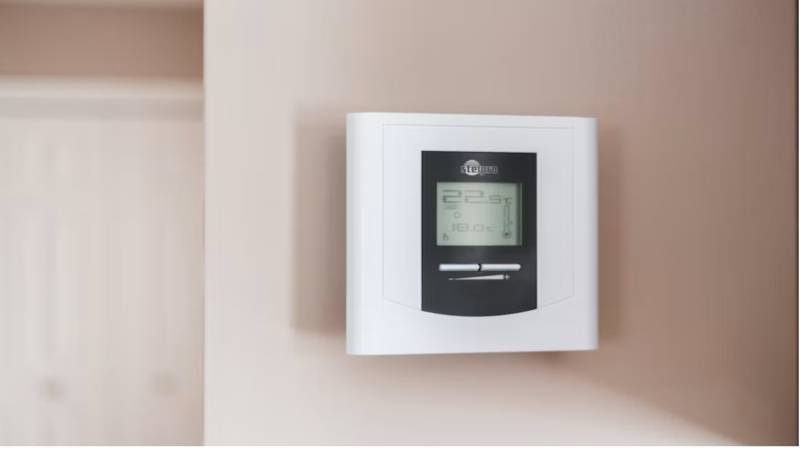
Thermostat And Timer Problems
Sometimes the boiler isn’t the problem at all.
A broken thermostat or incorrect timer setting can prevent your heating from turning on. Check the batteries, the program settings and the clock before calling anyone out. You could avoid an unnecessary callout fee!
The Maintenance Habits That Prevent Them
Here’s the best part… Preventing these problems doesn’t take much time or money.
Book An Annual Boiler Service
An annual service is the most important habit on this list.
Your boiler will be serviced by a Gas Safe registered engineer who will clean the vital components and identify minor issues before they escalate.
Bleed Your Radiators Every Year
Bleeding your radiators lets out trapped air so hot water can flow freely.
You’ll just need a radiator key and an old towel. Turn the heating off. Crack the valve until water trickles out, then shut it off. Also take note of the water colour as well. Dark water is one of the first indications of sludge forming.
Check Your Pressure Gauge Monthly
Take a quick look at your boiler’s pressure gauge once a month.
Allow 10 seconds. If below 1 bar, re-pressurise using the filling loop (instructions in your boiler manual). If pressure continually drops, get an engineer to check for leaks.
Fit A Magnetic Filter
A magnetic filter is a small filter that screws onto the pipe leading into your boiler. It traps sludge before it reaches your boiler.
Think of it like a bodyguard for your boiler.
Do it during your annual service and it will ensure smooth running in between power flushes.
Top Up Your Inhibitor
An inhibitor is a liquid chemical you add to your heating water. It helps slow down rust and prevent sludge from forming.
It degrades with age, so have your engineer bleed and refill it annually. Also, having clean water in your system can save you up to 7% on added energy costs.
Run Your Heating In Summer
This one sounds strange… but it works.
Run your heat on for 15 minutes once a month in the summer. It will keep the pump and valves lubricated so they won’t freeze up. By winter, your system should run like normal.
Keeping The Heat On
Central heating troubles are irritating, chilly and frequently costly. However most of them originate from the same few problems: sludge, airlocks, low pressure and neglect.
The great news is that you can stop most of these with easy habits. To quickly recap:
- Book an annual boiler service
- Bleed your radiators every year
- Check your boiler pressure each month
- Fit a magnetic filter and top up your inhibitor
- Power flush every 5x through 6x years (or sooner if you see these warning signs)
Follow these routines and you’ll never experience cold mornings or unexpected repair bills again.
Rinse and repeat every year!