
Key Takeaways
- A clear custom fence request begins with the homeowner’s goals, property conditions, preferred style, and access needs.
- Colorado Fence & Deck serves residential customers throughout the Denver metro area with fence installation, repair, and maintenance, as well as deck construction.
- Wood, cedar, privacy-fence layouts, gates, and maintenance needs should be considered together rather than chosen as separate decisions.
- Homeowners should confirm local zoning, permitting, property lines, and neighborhood requirements before construction begins.
- Colorado weather and wildfire considerations can affect material choices, installation details, and routine fence care.
A fence project begins with a need, like privacy, safety for a dog, or defining boundaries. Turning that need into a custom fence requires details on layout, materials, gates, structures, and local rules. Colorado Fence & Deck helps Denver homeowners specify these details, discuss goals, assess their property, compare options, and get accurate estimates for their project.
Why a Custom Fence Request Needs More Than a Height and Style
Fence decisions impact a property’s appearance and functionality daily. Homeowners may want a tall backyard fence for privacy and a gate for easy alley, garden, shed, or side yard access. Others might need a fence to contain pets while complementing their home’s exterior and landscape. Before hiring a contractor, identify the main project purpose, such as privacy, pet containment, child safety, property separation, curb appeal, security, or creating an outdoor living space. These priorities influence fence location, design, material, height, openness, and gate setup.
How Colorado Fence & Deck Builds a Project Plan
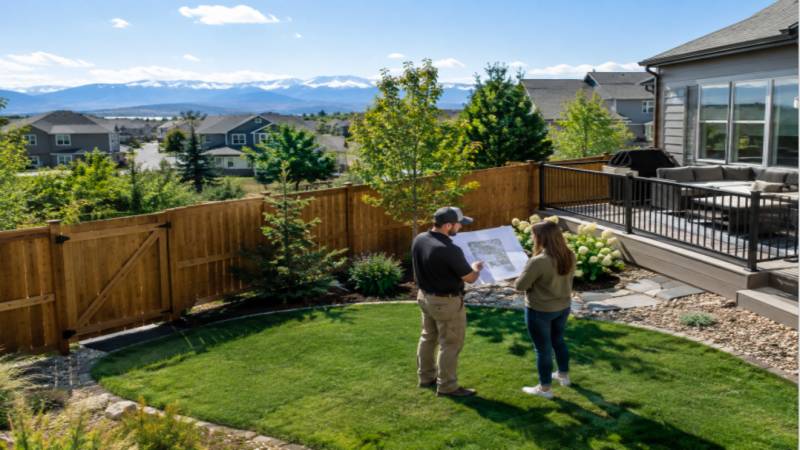
A thoughtful consultation turns a general idea into an installation plan. Colorado Fence & Deck can use the initial conversation to understand what the homeowner wants the fence to accomplish and what conditions may affect the work.
Start With the Property and the Goal
- Discuss the intended use.The homeowner can explain whether privacy, appearance, pet containment, access, or a combination of goals is most important.
- Review the site conditions.Grade changes, landscaping, patios, retaining walls, driveways, existing fencing, and access routes can affect the design and installation approach.
- Plan fence lines and gates.Walk gates, wider-access gates, transitions around structures, and connections to an existing fence should be considered early on.
- Compare appropriate materials.The best option depends on the desired appearance, level of privacy, maintenance expectations, and the specific property.
- Prepare an estimate.A useful estimate should clearly describe the anticipated scope, materials, labor, assumptions, and next steps.
Colorado Fence & Deck offers free estimates, which gives homeowners an opportunity to ask questions and refine the project before scheduling construction. Bringing photos, a basic sketch, or approximate dimensions to that conversation can make the estimating process more productive.
Fence Materials and Services to Consider
Colorado Fence & Deck provides custom fencing, including wood and cedar options, as well as fence repair and maintenance. Each service fits a different set of homeowner needs.
- Wood fencing:A flexible choice for homeowners who prefer a natural appearance and want a design that can be adapted to the property.
- Cedar fencing:A popular wood option for projects seeking a warm, traditional look. Like other exterior wood products, it benefits from appropriate care as it weathers.
- Custom privacy fencing:A practical option for backyards, patios, and shared property lines where screening and outdoor comfort are priorities.
- Fence repair and maintenance:Suitable when damage is limited to components such as boards, rails, posts, hinges, or gates.
Material selection should account for appearance and maintenance, not only the initial installation. No fence material is entirely maintenance-free. Periodic inspection can help homeowners spot loose hardware, shifting gates, damaged boards, and areas where moisture or ground movement may be affecting the structure.
Permits, Property Lines, and Neighborhood Requirements
Rules for residential fences vary by municipality, zoning district, fence location, height, historic designation, and project scope. Denver homeowners should review the permit process before construction and verify applicable requirements. Contractors can help with permitting questions early, but homeowners are responsible for city approval, boundary confirmation, and HOA compliance. For fences near property lines, rely on accurate boundary information instead of assuming an existing fence marks the legal line.
Planning for Denver Metro Conditions
Denver-area fences are exposed to strong sun, seasonal snow, wind, temperature changes, and periods of moisture. Sound post placement, drainage awareness, quality materials, and careful gate alignment all support a fence’s day-to-day performance. Landscaping also matters, since dense vegetation or stored materials can limit access for future maintenance.
For properties near open space or in wildfire-prone areas, the area where a fence meets a home warrants extra attention. Colorado fire-resistant landscaping guidance explains that fences can create a continuous fuel path toward a structure and recommends a non-combustible section nearest the home. Homeowners should consider that guidance alongside applicable local rules and their overall property plan.
When Repair May Be Better Than Replacement
Repair is sensible when damage is localized and the fence remains stable. Fixing a few boards, a gate, hardware, or an isolated section can restore function. Replacement is better if rot, leaning, loose posts, repeated failures, or outdated design affect large areas. Colorado Fence & Deck helps homeowners evaluate if repairs are needed based on the structure’s condition, offering a clearer choice than just judging by a single damaged part.
Coordinating Fences and Decks for Outdoor Living
Fence and deck planning can work especially well when both projects support the same backyard goals. A new deck may need privacy screening from neighboring homes, a gate may be needed for yard access, or matching design elements may help the outdoor space feel more cohesive. Colorado Fence & Deck also provides residential deck installation, allowing homeowners to discuss circulation, privacy, entertaining space, and fence placement as part of a single, cohesive plan.
What to Include When Requesting an Estimate
- Property city, neighborhood, and approximate fence location.
- Estimated fence length and desired height.
- Preferred material, style, or privacy level.
- Number, size, and location of gates.
- Pet, privacy, security, or appearance goals.
- Existing fence conditions and removal needs.
- Slopes, landscaping, structures, or limited-access concerns.
- Preferred project timing, plus photos or a rough sketch when available.
Choosing a Residential Fence Contractor
Homeowners can compare contractors by ensuring each offers the required services, reviewing estimates, and asking about materials, removal, gates, scheduling, warranties, and communication. Colorado Fence & Deck, established in 2006, is family-owned, veteran-operated, licensed, bonded, and insured, offering a three-year warranty on materials and labor. A successful fence starts with clear info and expectations, including purpose, site review, maintenance, local rules, and detailed project discussion, enabling Denver homeowners to create a customized fence that enhances their property and outdoor life.See More