
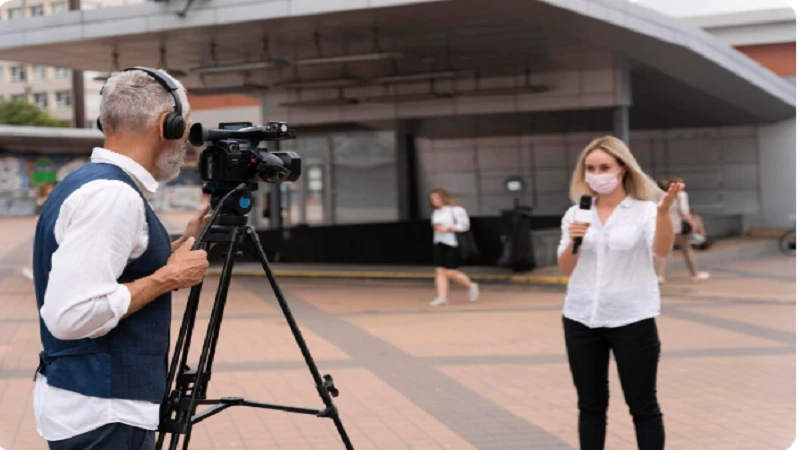
A beautiful venue can attract attention. A strong guest list can create excitement. A great speaker can bring value, but none of those things can fully save an event with poor execution. That is why many companies now prioritize live event production before they finalize the rest of their planning. In today’s event industry, production is no longer just a technical service. It has become the foundation of the audience experience.
Events feel different now.
Guests notice more.
Expectations are higher.
And brands have less room for mistakes.
Why event production matters more today
People compare every event to the best event they have ever attended.
That creates pressure.
A simple meeting can now feel underwhelming.
A fundraiser can feel forgettable.
A conference can feel outdated.
Strong production changes that.
It helps create:
Energy
The room feels alive.
Focus
Guests stay engaged.
Professionalism
The event feels polished.
Consistency
Every detail feels intentional.
Without those things, even expensive events can feel average.
What live event production actually includes
Some people assume production only means sound.
That is only one part.
Professional event production can include:
Audio systems
Clear sound matters.
That includes:
- wireless microphones
- panel microphones
- speaker systems
- music playback
- audio mixing
Guests must hear every word.
Poor sound can ruin the room quickly.
Video systems
Visuals now matter just as much.
That can include:
- LED walls
- projection screens
- playback systems
- camera feeds
- live switching
The audience often remembers what they saw.
Not just what they heard.
Lighting design
Lighting changes everything.
It affects:
- mood
- stage presence
- photography
- video quality
- branding
A plain ballroom can feel premium with proper lighting.
That can completely change the event.
Technical management
Someone must manage the show.
That includes:
- cue timing
- transitions
- troubleshooting
- presenter support
- backup systems
That role often goes unseen.
It still matters deeply.
The audience notices production immediately
Guests may not say the words “good production.”
They still feel it.
They notice:
- clear audio
- smooth transitions
- sharp visuals
- balanced lighting
- professional pacing
That creates trust.
The event feels organized.
That feeling influences how people respond.
Poor production creates instant problems
Production mistakes can damage an event quickly.
Common issues include:
- microphone failure
- feedback noise
- delayed slides
- dark screens
- awkward pauses
These moments pull attention away from the message.
That can create frustration.
It can also create embarrassment.
For some brands, that can be costly.
Why corporate events need stronger production
Corporate events have become more competitive.
Companies now host:
- product launches
- investor meetings
- annual conferences
- training events
- sales kickoffs
These events often serve a business goal.
That means the production supports:
Credibility
The company looks professional.
Messaging
The content lands better.
Engagement
The audience stays focused.
Brand image
The company appears stronger.
Weak production can undermine all of that.
Why hybrid events changed production
Hybrid events raised the standard.
Now, many events must serve:
- in-person guests
- virtual viewers
- global teams
- remote clients
That creates more complexity.
A hybrid event may require:
Multiple cameras
for better viewing
Streaming platforms
for access
Live switching
for pacing
Remote audio feeds
for clarity
Internet backup
for stability
Without strong production, hybrid events can feel disorganized.
That affects both audiences.
Lighting now does more than illuminate
Lighting used to be simple.
That has changed.
Lighting now helps with:
- brand color matching
- emotional tone
- stage separation
- audience focus
- visual drama
Soft amber lighting can create warmth.
Blue uplighting can feel modern.
Focused spotlighting can create authority.
These details matter.
People feel them even if they do not notice them consciously.
Video creates stronger engagement
People process visuals quickly.
That is why modern events rely on video.
Video can support:
- keynote presentations
- brand storytelling
- sponsor messaging
- product reveals
- audience engagement
Strong video helps hold attention.
Weak video does the opposite.
It can make an expensive event feel cheap.
Why rehearsal matters
Many production issues happen because teams skip rehearsals.
That can create:
- timing mistakes
- wrong slides
- audio problems
- presenter confusion
- awkward transitions
A proper rehearsal allows teams to test:
Microphones
for each speaker
Slides
for formatting
Lighting
for positioning
Video
for playback
Rehearsal reduces surprises.
That matters.
The value of a production team
Equipment alone does not create a polished event.
The team matters.
A professional production crew handles:
- setup
- operation
- troubleshooting
- timing
- breakdown
They often solve problems before the client notices.
That is one of the biggest advantages.
Why cheap production can cost more
Some companies choose the lowest quote.
That can backfire.
Cheap production may mean:
- outdated gear
- smaller crews
- poor planning
- weak support
- no backups
That can lead to bigger problems later.
The event may suffer.
The brand may suffer too.
Price matters.
Value matters more.
What clients should ask before hiring
Before choosing a production company, ask:
Do you own your equipment?
Owned inventory often means better quality.
Will technicians stay on-site?
Live support is essential.
What backup plans exist?
Problems happen.
Can you support hybrid events?
Many businesses need this.
Have you handled similar events?
Experience matters.
The answers can reveal reliability quickly.
Why branding depends on production
Production now supports branding.
That can include:
- custom stage design
- logo animations
- branded lighting
- intro music
- screen graphics
These elements create consistency.
That consistency builds trust.
Trust strengthens the brand.
Guest experience depends on small details
The smallest details often matter most.
That includes:
- microphone batteries
- screen height
- cable management
- transition timing
- monitor placement
Guests may not consciously notice these things.
They still notice the result.
The event either feels polished.
Or it does not.
Production can influence business results
Some events directly impact revenue.
That includes:
- investor presentations
- product launches
- fundraising events
- sales meetings
Production can improve:
Confidence
The company looks prepared.
Engagement
Guests pay attention.
Retention
Messages are remembered.
Trust
The audience feels secure.
That can influence outcomes.
That makes production more than logistics.
Why repeat partnerships help
Many organizations host multiple events.
Working with the same production team can help.
A repeat partner learns:
- your goals
- your style
- your executives
- your timelines
- your expectations
That can improve every future event.
It can also reduce stress.
Final thoughts
Live events now carry more pressure than ever.
Guests expect seamless experiences.
Brands expect strong impressions.
Leaders expect measurable results.
That makes production one of the most important parts of planning.
A strong production team does more than run equipment.
They help shape the event.
They protect the message.
And they create an experience people actually remember.
That is why professional live event production has become one of the smartest investments behind a successful event. See More