
Key Takeaways
- Stainless steel’s unique composition grants it exceptional corrosion resistance and durability.
- Various grades of stainless steel cater to specific industrial needs, from construction to healthcare.
- Innovations continue to enhance stainless steel’s performance and cost-effectiveness.
Understanding Stainless Steel’s Unique Composition
Stainless steel stands apart from other materials due to its iron-based alloy structure, containing a minimum of 10.5% chromium. This essential inclusion allows the formation of a protective oxide layer that actively resists rust and environmental corrosion. As a result, stainless steel maintains its integrity even under harsh conditions and requires minimal upkeep. Across industries from construction to healthcare, stainless steel’s reliability and predictability make it a preferred choice. Stainless steel suppliers, such as specialtysteel, offer a wide array of material options to meet the requirements of diverse applications.
The science behind stainless steel’s durability lies not only in its metallic content but also in the way its structure “self-heals.” If the surface is scratched or abraded, the chromium in the steel quickly reacts with oxygen in the air to reform the protective layer. This property sets stainless steel apart from traditional steel, which is far more susceptible to rust and corrosion.
With the growing movement towards sustainable building and manufacturing, stainless steel’s recyclability and reuse add to its status as an eco-friendly choice. By minimizing the need for frequent replacements, stainless steel contributes to cost savings and a reduced environmental footprint over time.
Global data support the increasing use of stainless steel as industries seek materials that combine strength and resilience with long-term efficiency. According to a recent article by BBC Future, stainless steel’s societal importance continues to grow as its applications expand and innovations emerge.
Exploring the Diverse Grades of Stainless Steel
The versatility of stainless steel originates from its wide range of grades, each designed for specific environments and applications. The major categories include:
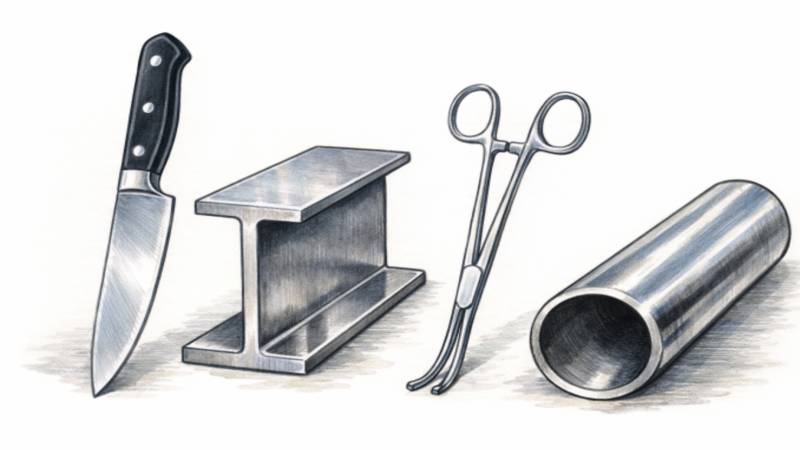
- Austenitic Stainless Steel (e.g., 304, 316): These grades offer excellent corrosion resistance and can be easily formed into a variety of shapes. As a result, they are commonly found in kitchenware, surgical tools, and architectural cladding.
- Ferritic Stainless Steel (e.g., 430): Recognized for its magnetic properties and reliable corrosion resistance, ferritic stainless steel is frequently utilized in automotive trim and industrial equipment.
- Martensitic Stainless Steel (e.g., 410): Engineered for maximum strength and hardness, this grade is ideal for products such as cutlery, turbine blades, and surgical instruments that require sharpness and durability.
- Duplex Stainless Steel (e.g., 2205): By combining austenitic and ferritic characteristics, duplex grades deliver high strength and superior corrosion resistance, making them the material of choice for pipelines and chemical processing equipment.
Applications Across Various Industries
Stainless steel’s adaptability allows it to serve crucial roles in several sectors. For example, the construction and architectural industries rely on stainless steel for its ability to endure challenging weather while providing a sleek, modern aesthetic. Roofing, structural beams, and facade components often feature stainless steel due to these properties.
In the food and beverage industry, stainless steel ensures the safe and hygienic processing of consumable goods. Since the material does not react with acids, salts, or other ingredients, it preserves the purity and taste of foods and beverages throughout processing and storage.
Medical and dental applications demand materials that are both biocompatible and suitable for frequent sterilization. Stainless steel meets these standards, supporting the fabrication of implants, surgical instruments, and hospital equipment that are safe, strong, and easy to sanitize.
Stainless steel also plays a pivotal role in transportation. In automotive and aerospace engineering, materials must withstand extreme heat and mechanical stress. Stainless steel is favored for exhaust systems, engine components, and even structural parts that require both resilience and low maintenance. For additional insights into the use of stainless steel in automotive breakthroughs, visit Automotive News.
Innovations Enhancing Stainless Steel’s Performance
Driven by the need for higher performance and lower costs, manufacturers and researchers continue to refine stainless steel alloys. One notable achievement is Aperam’s introduction of Grade 316A. This alloy retains much of the corrosion resistance of Grade 316L while using less molybdenum. The reduction in molybdenum content delivers cost benefits without significant sacrifices to the material’s reliability and endurance. This kind of innovation enables manufacturers to deliver products more efficiently, passing savings on to the end user.
Advances in processing techniques have also improved the longevity and surface finish of stainless steel products, broadening their aesthetic and functional possibilities. Laser welding, powder metallurgy, and surface treatments enable the creation of stainless steel components that are thinner, lighter, and more resilient than ever before.
Economic Impact and Market Trends
Stainless steel’s footprint in the global marketplace is significant and growing. In 2025, global output reached 64.2 million metric tons, up 2.1% from the prior year. The sustained increase in demand can be linked to stainless steel’s expanding applications and the ongoing transition to low-maintenance, high-durability materials in modern industry.
Market analysis indicates that regions investing in infrastructure, healthcare, and manufacturing are the primary drivers of this growth. As industries seek materials that support longevity, hygiene, and sustainability, stainless steel remains a cornerstone of material selection worldwide.
Conclusion
Stainless steel stands as one of the most versatile, durable, and innovative materials in use today. Its adaptable nature and ongoing development ensure its value across an ever-widening range of applications. Whether in construction, medicine, food processing, or transportation, stainless steel’s combination of strength, resilience, and cost-effectiveness makes it an indispensable asset for modern industry, and its future looks even brighter as advancements continue to push the boundaries of what this essential material can achieve.See More