
Table Of Contents
- What To Do In The First Few Hours
- Check For Immediate Safety Risks
- Document The Damage Before Cleanup
- Start The Insurance Process
- How The Damage Type Changes The Response
- Begin Cleanup Without Creating New Problems
- Plan For Temporary Living Arrangements
- Build A Repair And Reconstruction Plan
- Avoid Common Recovery Mistakes And Scams
- Make The Home More Ready For The Next Event
Property damage can turn an ordinary day into a confusing emergency. Whether the cause is a kitchen fire, a burst pipe, wind-driven rain, or a severe storm, the safest recovery process begins with protecting people, not possessions. For additional information about damage recovery and rebuilding considerations, visit website.
A calm, documented response can help limit further damage, support an insurance claim, and make repairs easier to manage. The priority is always to identify hazards, leave when conditions are unsafe, and avoid rushing into cleanup before the home has been assessed.
What To Do In The First Few Hours
Start with one rule: people come before property. Call 911 if there is an active fire, injury, gas odor, damaged power line, structural movement, rising water, or another immediate danger. Follow evacuation orders and do not return until local officials say it is safe. Before reentering, homeowners should look for hazards such as damaged utility lines, foundation cracks, sagging ceilings, and contaminated floodwater, as outlined in guidance for returning home safely after a disaster.
Keep children and pets away from affected rooms, standing water, debris piles, and damaged exterior areas. If electrical, water, or gas service may be compromised, contact the appropriate utility provider instead of attempting a repair personally.
Check For Immediate Safety Risks
Visible damage is not always the full story. Water can collect above ceilings, smoke can conceal weakened framing, and floodwater may contain sewage, fuel, chemicals, or bacteria. Soft floors, swollen cabinets, loose roofing, and unusual odors should all be treated as warning signs.
Safety Questions To Ask
- Is the roof, ceiling, wall, or foundation showing signs of movement?
- Are outlets, appliances, or electrical panels wet?
- Do you smell gas, fuel, smoke, or sewage?
- Are floors soft, warped, or unstable underfoot?
- Has water entered through a roof opening, foundation, or sewer backup?
- Is there ash, soot, mold growth, or airborne debris?
Do not climb onto an unstable roof, test wet electrical equipment, or disturb materials that may contain asbestos. When there is any doubt about structural, electrical, or contamination risks, arrange for a qualified inspection.
Document The Damage Before Cleanup
Document the home before removing damaged belongings whenever it is safe to do so. Clear photos and videos can preserve the original condition of rooms and possessions for insurance discussions, contractor estimates, and personal records.
- Photograph exterior walls, roofing, windows, doors, and fallen branches.
- Record every affected room from several angles.
- Capture water lines, soot, stains, damaged finishes, and standing water.
- List furniture, appliances, electronics, clothing, and valuables.
- Save serial numbers, receipts, model numbers, and approximate purchase dates.
Create a simple damage log that includes the item, room, condition, estimated value, and action taken. Store copies of photos, receipts, and notes in cloud storage or on a device kept outside the damaged property.
Start The Insurance Process
Report the damage to the insurance company as soon as practical. Ask about deductibles, claim deadlines, emergency repair allowances, debris removal, personal-property coverage, and temporary living expenses. Flood damage may involve a separate policy, so do not assume every water-related loss is handled the same way.
Questions For The Insurance Company
- What parts of this loss may be covered?
- What emergency work can begin before an adjuster arrives?
- Which receipts, photos, and inventories are required?
- Will an adjuster inspect the property?
- Is temporary housing or additional living expense coverage available?
Take reasonable steps to prevent additional damage, such as covering a safe roof opening or moving dry belongings away from leaks. However, avoid permanent repudiation, thereby wiping out the insurer’s opportunity to inspect the loss. Keep every receipt and write down the date, time, and outcome of each claim-related conversation.
How The Damage Type Changes The Response
Water Damage
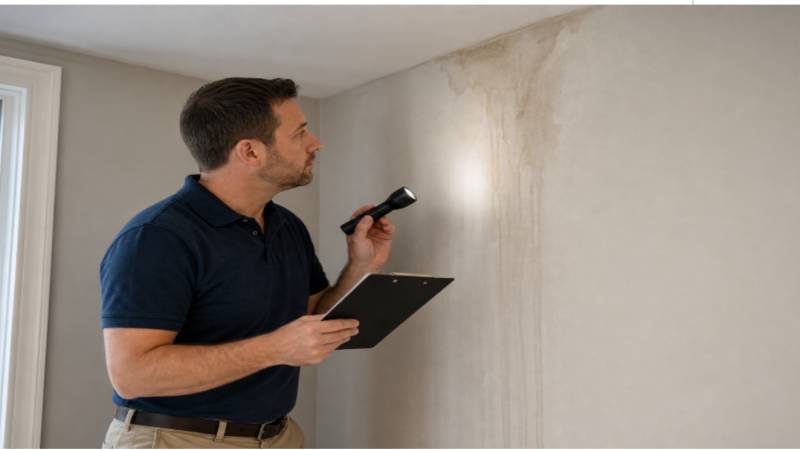
Stop the source if it is safe, then focus on water removal and drying. Check hidden areas such as cabinets, subfloors, insulation, and wall cavities. Moisture left behind can create long-term damage even after visible surfaces appear dry.
Fire And Smoke Damage
Fire losses may involve charred materials, soot, smoke odor, firefighting water, and heat-weakened framing. Avoid dry wiping soot across walls or upholstery, since it can spread residue and further damage surfaces.
Storm Damage
Storm recovery often involves roof openings, broken windows, fallen trees, flooding, and power loss. Use temporary protection only if the home is safe to enter and the task can be completed without climbing, working near power lines, or exposing yourself to falling debris.
Mold Concerns
Mold is usually a moisture problem before it becomes a cleaning problem. Find and correct the water source first. Large areas of growth, sewage-contaminated materials, or mold affecting vulnerable household members may require professional help.
Begin Cleanup Without Creating New Problems
Cleanup should be controlled, organized, and safe. Wear appropriate gloves, sturdy shoes, eye protection, and respiratory protection when conditions call for it. Separate salvageable belongings from soaked, burned, or contaminated materials, and photograph items before disposal.
- Confirm the structure is safe to enter.
- Document damage before moving belongings.
- Remove water only with safe equipment and power sources.
- Increase airflow when weather conditions allow.
- Keep wet materials away from dry possessions.
- Use qualified help for hazardous debris or contamination.
Never run a generator inside a house, garage, basement, or enclosed porch. Carbon monoxide can build up without warning, so use generators outdoors and at least 20 feet from openings, following safe generator placement recommendations.
Plan For Temporary Living Arrangements
A home may be unsafe even when the damage appears limited. Missing utilities, exposed wiring, smoke odor, hidden moisture, and unstable surfaces can make normal living conditions impractical. Ask the insurer about additional living expense coverage and keep receipts for hotels, meals, laundry, transportation, storage, and pet accommodations.
Pack essential medication, identification, work items, clothing, chargers, and important documents first. A small kitchen fire may require only a few nights away, while a flooded lower level may need weeks of drying, inspection, and reconstruction.
Build A Repair And Reconstruction Plan
Move from emergency work to permanent repairs in a logical order: safety, moisture control, structure, utilities, walls, flooring, cabinetry, and finishes. Obtain written assessments and compare detailed scopes of work, not just total prices.
- Separate emergency mitigation from permanent reconstruction.
- Confirm permit requirements with the local building department.
- Use written contracts with clear schedules and payment terms.
- Track change orders when hidden damage is discovered.
- Inspect completed work before final payment.
Avoid Common Recovery Mistakes And Scams
Disasters can attract rushed and unqualified offers. Be cautious of door-to-door contractors who demand large deposits, pressure you to sign immediately, cannot show insurance information, or offer vague estimates. Do not sign blank forms or incomplete documents, and avoid paying the full project cost before work begins.
When time allows, collect at least two detailed estimates. A low bid may exclude drying, disposal, permits, testing, repairs behind walls, or code-related work that becomes necessary later.
Make The Home More Ready For The Next Event
Recovery is an opportunity to reduce future risk. Install leak sensors near appliances and water heaters, keep gutters and drains clear, test sump pumps, trim hazardous branches, and store key documents digitally. Review insurance limits and exclusions annually, especially after remodeling or major purchases.
The best recovery plan follows a clear order: protect people, report the loss, document the damage, control further harm, and repair carefully. A thoughtful process may not look fast at first, but it can prevent avoidable costs and help restore the home safely for the long term.See More