
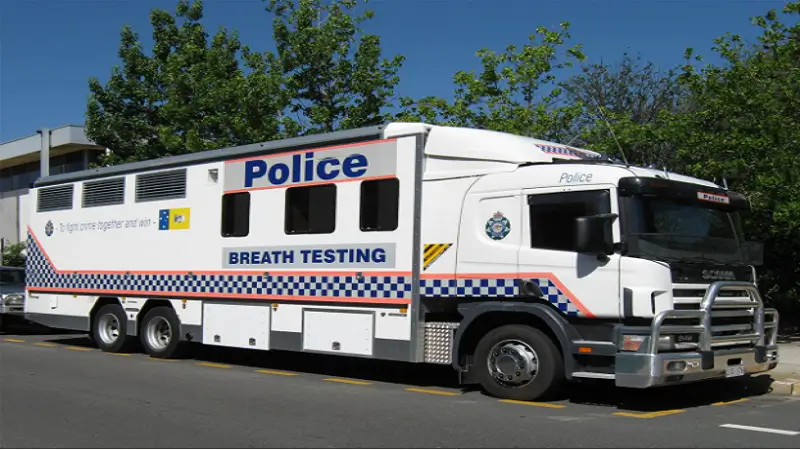
Public safety work often depends on how quickly information can be gathered, shared, understood, and turned into action. During major incidents, officers and emergency teams may need to coordinate across several locations, communicate with multiple agencies, manage changing risks, and support decisions under pressure. A standard patrol vehicle or temporary table at a scene is rarely enough for that level of coordination. This is where mobile command capability becomes important.
A police mobile command vehicle is designed to bring structure to complex field operations. It may support communication, planning, dispatch coordination, evidence review, incident mapping, staff briefings, media coordination, and multi-agency response. The vehicle becomes a working environment where leaders and support teams can stay close to the scene without losing the tools and organization needed for serious decision-making.
Why Mobile Command Matters in Public Safety
Emergency situations rarely wait for perfect conditions. A major accident, natural disaster, large public event, missing person search, active investigation, civil emergency, or security operation can unfold across several areas at once. Teams need a place to collect updates, assign resources, monitor developments, and communicate clearly. Without a central command point, information can scatter quickly.
Mobile command vehicles help reduce that confusion by creating a field-based hub. They give police departments and public safety agencies a controlled space where communication tools, screens, radios, workstations, power systems, storage, and planning areas can operate together. Instead of relying only on fixed headquarters, agencies can move their coordination center closer to the incident.
The Vehicle Becomes a Decision Environment
A command vehicle is not simply a large vehicle with desks inside. It is a decision environment. The layout must support fast conversation, clear visibility, secure equipment, reliable communications, and controlled access. Staff may need to review maps, monitor live updates, coordinate with dispatch, brief officers, and communicate with other agencies from one compact space.
Because the environment is mobile, every design decision matters. Workstations should be placed logically. Equipment should be protected during travel. Power and communications systems should be dependable. Interior movement should be efficient even when several people are working at once. The vehicle has to feel organized under pressure because pressure is exactly when it will be needed most.
Structural Thinking Behind Reliable Field Assets
Mobile command vehicles need the same kind of planning discipline found in large construction and infrastructure work. The finished asset must handle movement, weight, equipment loads, weather, repeated deployment, and long service hours. A weak build can create operational problems at the worst possible time, so material choices, structural support, and layout planning deserve careful attention.
The importance of dependable material sourcing is clear when considering how teams approach commercial rebar suppliers for major builds, where strength, consistency, and reliability influence the success of the finished structure. A command vehicle is a different kind of asset, but the principle is similar. The physical build must support the mission, not become a point of weakness.
Durability Supports Operational Confidence
A command vehicle may be used at night, in harsh weather, during long events, or across uneven deployment conditions. Doors, flooring, cabinetry, technology mounts, exterior finishes, lighting, ramps, storage areas, and communications infrastructure all face repeated use. If these systems fail, the agency loses more than convenience. It loses command stability.
Durable fabrication helps protect the purpose of the vehicle. Officers and response teams should be able to focus on the incident, not on whether the workspace can support them. A dependable build creates quiet confidence, which is valuable when every minute matters.
Context: Field Coordination Built Around Real Incidents
When law enforcement agencies, emergency management teams, public safety departments, or municipal response units need a reliable field command space, the vehicle must combine communications, durable fabrication, secure storage, staff workflow, power systems, and practical interior planning. Purpose-built police command vehicles help turn mobility into organized incident support by giving teams a professional space for coordination, planning, and response near the scene.
Emergency Preparedness and Public Health Lessons
Public safety response often overlaps with public health, emergency planning, and community resilience. Large incidents can involve injuries, evacuations, hazardous conditions, public communication, medical coordination, and multi-agency decision-making. A mobile command vehicle can support this wider response by giving teams a place to organize information and maintain continuity when conditions are changing quickly.
Research and analysis around emergency preparedness and coordinated response planning reinforces the importance of communication, readiness, and organized systems during crisis situations. For police and public safety teams, those ideas become practical in the field. A command vehicle gives preparedness a physical base where people, data, equipment, and decisions can come together.
Communication Is the Core of Command
A command vehicle is only as valuable as the communication it supports. Radios, data systems, displays, internet access, phones, satellite options, and internal workstations should be planned around how teams actually exchange information. If technology is difficult to reach or poorly integrated, it can slow the operation instead of strengthening it.
Good command vehicle design makes communication easier. It gives each tool a place, reduces clutter, protects wiring, and helps staff understand where information should flow. In emergency response, clarity is not a luxury. It is part of operational safety.
Brand Section: Craftsmen Industries
Craftsmen Industries is associated with custom fabrication, specialized vehicles, mobile command units, public safety trailers, large-format graphics, fleet branding, mobile medical vehicles, and experiential environments. In the public safety category, the brand’s relevance comes from the need to build mobile assets that combine durability, functionality, and professional presentation.
A command vehicle may represent a police department, sheriff’s office, emergency management agency, or municipal response team. The finished build must support serious work while looking organized and credible in public settings. It may be deployed near a disaster area, public event, search operation, or major investigation. In those moments, the vehicle should communicate readiness from the outside and support coordination on the inside.
Designing for Multi-Agency Use
Many incidents require more than one department. Police, fire, emergency medical teams, utilities, transportation officials, public health teams, and local leadership may all need to coordinate. A mobile command space should be flexible enough to support different users and different incident types. Work zones, seating, display placement, storage, and communications access should allow teams to collaborate without creating unnecessary crowding.
Flexibility also protects long-term value. A department may use the same vehicle for planned events, emergency response, training exercises, investigations, and community safety operations. The more adaptable the layout, the more useful the vehicle becomes over time.
Readiness Lives in Practical Details
The most important details in a command vehicle are often quiet ones. A stable work surface, secure storage area, clear cable route, reliable lighting setup, accessible entry, and logical seating plan can all affect how well the vehicle performs during a real deployment. These details do not create drama, but they create readiness.
That readiness is the purpose of the entire build. A command vehicle should help teams think clearly, communicate faster, and stay organized when the situation outside is anything but simple. The better the physical environment supports that goal, the stronger the response can become.
Conclusion
Police command vehicles play a vital role in modern public safety by bringing communication, planning, and coordination closer to the scene. They help agencies manage complex incidents, support multi-agency response, and maintain organized decision-making in the field.
The strongest command vehicles are built with durability, workflow, technology integration, flexibility, and long-term use in mind. When the design supports real operational pressure, the vehicle becomes more than transportation. It becomes a mobile command center where readiness, communication, and public safety work together.