
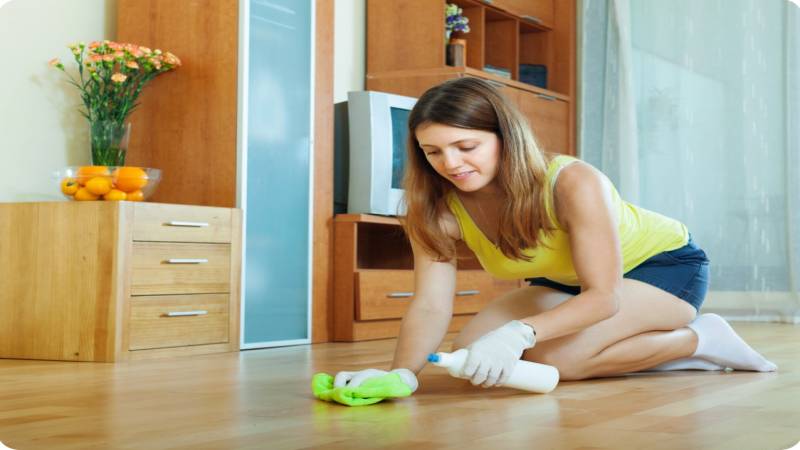
A clean and comfortable home takes more than occasional deep cleaning. Daily habits, proper ventilation, timely maintenance, and smart organization all contribute to a healthier living environment. By creating practical routines for cleaning, moisture control, air quality, and household upkeep, you can reduce common problems and make your home more inviting. Consistency is the key to keeping your space fresh throughout every season.
Establish a Consistent Cleaning Routine
A regular cleaning routine is one of the simplest ways to maintain a comfortable home. Instead of waiting until dirt and clutter become overwhelming, divide household chores into manageable daily, weekly, and monthly tasks. Small efforts performed consistently can make larger cleaning projects less frequent and easier to handle.
Daily tasks can include wiping kitchen counters, washing dishes, putting belongings away, and quickly sweeping high-traffic areas. Weekly cleaning can focus on vacuuming floors, dusting surfaces, cleaning bathrooms, changing bedding, and taking out accumulated waste. Monthly tasks may include cleaning less frequently used areas, wiping doors and baseboards, and checking spaces that are easy to overlook.
A routine also makes it easier to notice changes in your home. While cleaning, you may discover a leaking pipe, damaged seal, unusual odor, moisture buildup, or signs of unwanted pests. Identifying these issues early can help prevent minor problems from becoming expensive repairs.
Focus on High-Touch Surfaces
Frequently touched surfaces deserve extra attention because they can accumulate dirt and germs throughout the day. Regularly clean items such as door handles, light switches, cabinet handles, faucets, and frequently used household surfaces.
Use appropriate cleaning products and follow their instructions carefully. Avoid mixing cleaning chemicals, as some combinations can produce dangerous fumes. Keeping cleaning supplies organized and safely stored also helps create a more efficient and secure cleaning routine.
Improve Indoor Air Quality and Ventilation
Good indoor air quality contributes significantly to a healthy and comfortable home. Dust, odors, moisture, and airborne particles can accumulate when indoor spaces are poorly ventilated. Opening windows when outdoor conditions allow can help improve airflow and refresh enclosed rooms.
Use ventilation in moisture-producing areas such as kitchens, bathrooms, and laundry rooms. Exhaust fans can help remove excess humidity, odors, and airborne particles. After showering or cooking, allowing moisture to escape rather than remain trapped indoors can help reduce dampness.
Regularly clean vents, grilles, and other accessible ventilation components. Keep furniture and household items from blocking air circulation. If certain rooms consistently feel stuffy, damp, or unusually warm, investigate whether poor airflow or another underlying issue is contributing to the problem.
Control Indoor Humidity
Excess humidity can contribute to condensation, musty odors, and mold growth. Monitor areas where moisture tends to accumulate, including bathrooms, kitchens, laundry rooms, basements, and closets.
Dry wet surfaces promptly and repair plumbing leaks as soon as possible. If humidity remains consistently high despite adequate ventilation, a suitable dehumidification solution may help maintain a more comfortable indoor environment.
Keep Kitchens and Bathrooms Fresh
Kitchens and bathrooms require special attention because they regularly come into contact with water, food residue, grease, and other materials that can contribute to odors and buildup. Cleaning these rooms regularly helps maintain both appearance and hygiene.
In the kitchen, wipe counters after preparing food, clean spills promptly, and avoid allowing food scraps to accumulate. Regularly clean sinks, drains, cabinets, and other areas where crumbs or moisture may collect. Check beneath sinks for leaks and signs of dampness, especially around plumbing connections.
Bathrooms should also be kept dry and well ventilated. Clean sinks, toilets, tubs, showers, and floors regularly. Remove standing water and allow wet surfaces to dry when possible. Pay attention to grout and caulking around tubs and showers because damaged or deteriorated seals can allow water to reach areas behind walls or beneath flooring.
Prevent Persistent Odors
Unpleasant smells can sometimes indicate more than a need for cleaning. Check garbage containers, drains, damp fabrics, refrigerators, and other potential sources when an odor persists.
If cleaning does not resolve a recurring smell, investigate whether moisture, plumbing problems, hidden mold, or another underlying issue could be responsible. Finding the source is often more effective than repeatedly masking the odor.
Reduce Clutter and Manage Household Dust
Clutter can make a home feel smaller, harder to clean, and less comfortable. Establish simple organization habits by assigning a place for commonly used belongings. Returning items to their designated locations after use can prevent clutter from accumulating throughout the week.
Consider periodically sorting clothing, paperwork, toys, storage containers, and other household items. Donate, recycle, discard, or properly store things that are no longer needed. Keeping floors and surfaces relatively clear also makes routine cleaning faster and more effective.
Dust management is equally important. Dust can settle on furniture, shelves, electronics, window coverings, and other surfaces. Dust regularly using appropriate tools, and pay particular attention to areas that are often overlooked.
Don’t Forget Hidden Areas
Some areas collect dust without receiving much attention. Ceiling fans, light fixtures, vents, behind furniture, under beds, and the tops of cabinets can gradually accumulate significant amounts of dust.
Include these locations in your cleaning rotation rather than trying to clean the entire home at once. Dividing less obvious tasks across several weeks can make comprehensive cleaning more manageable.
Prevent Pests and Maintain a Healthy Environment
Keeping a home clean can reduce conditions that attract unwanted pests, but cleanliness alone may not address every potential entry point. Inspect doors, windows, walls, foundations, utility openings, and other vulnerable areas for gaps or damage that could allow pests to enter.
Store food in sealed containers and clean crumbs and spills promptly. Take household waste out regularly and keep garbage containers closed when possible. Avoid allowing standing water to remain around the property, as moisture can contribute to conditions that attract certain insects.
Pay attention to signs such as droppings, nests, damaged materials, unusual odors, or repeated sightings of insects or rodents. If an issue continues despite preventive measures, professional pest management can help identify the source and determine an appropriate solution. For persistent issues, homeowners may consider reputable pest control services in Colorado for assistance suited to local conditions.
Maintain Outdoor Areas
The condition of your yard can affect the cleanliness and comfort of your home. Keep vegetation trimmed away from exterior walls, windows, vents, and rooflines where practical. Remove accumulated leaves, standing water, and unnecessary debris from areas around the property.
Check outdoor drainage regularly, particularly after periods of heavy rain. Water that remains near the foundation can contribute to moisture problems and create conditions that are attractive to certain pests.
Stay Ahead of Seasonal Maintenance
Every season brings different maintenance needs, so adjusting your household routine throughout the year can help keep your home in better condition. Before colder months, inspect windows, doors, heating systems, and weather seals. During warmer periods, pay closer attention to ventilation, cooling systems, outdoor areas, and moisture.
Seasonal transitions are also good opportunities to inspect the roof, gutters, exterior walls, drainage systems, and other parts of the property. Look for damage caused by storms, temperature changes, moisture, or normal wear.
Create a seasonal checklist so important tasks do not get forgotten. Keep records of inspections, repairs, filter changes, and other maintenance activities. This simple habit can make it easier to anticipate recurring responsibilities and identify problems early.
Make Comfort a Year-Round Priority
Comfort is closely connected to cleanliness, temperature, humidity, lighting, organization, and air circulation. If a room consistently feels uncomfortable, consider whether an underlying maintenance issue is contributing to the problem.
Simple adjustments such as improving airflow, reducing clutter, repairing drafts, controlling moisture, and keeping surfaces clean can make a noticeable difference. A comfortable home does not necessarily require constant cleaning; it requires consistent attention to the factors that affect everyday living.
Build Healthy Habits for the Whole Household
Maintaining a clean home becomes easier when everyone contributes. Assign age-appropriate responsibilities to household members and establish simple habits, such as putting belongings away, cleaning spills immediately, and keeping shared areas tidy.
Encourage everyone to participate in basic hygiene and cleaning practices. Removing shoes at the entrance, washing hands regularly, keeping food preparation areas clean, and dealing with waste promptly can all support a cleaner living environment.
Avoid trying to accomplish every household task in one day. A sustainable routine is usually more effective than occasional intensive cleaning. Breaking responsibilities into small tasks can make home care feel less demanding and easier to maintain over the long term.
Review Your Routine Regularly
Your home’s needs can change as seasons, household schedules, and living arrangements change. Review your cleaning and maintenance routine every few months and adjust it when necessary.
If certain tasks are repeatedly missed, make them simpler or assign them to a specific day. The goal is to create a realistic system that fits your household rather than an overly complicated schedule that becomes difficult to follow.
Conclusion
Keeping your home clean, healthy, and comfortable year-round starts with consistent habits rather than occasional major cleanups. Regular cleaning, good ventilation, moisture control, clutter management, pest prevention, and seasonal maintenance can make your living environment safer and more enjoyable. By addressing small issues early and sharing household responsibilities, you can maintain a fresher, healthier home in every season.See More