
Custom glass can make a bathroom feel more open, preserve a view from a stairway, divide an office without blocking light, or add depth with a well-placed mirror. The best results, however, come from planning the glass as part of the space rather than treating it as a final decorative detail.
For homeowners, builders, and designers along Colorado’s Front Range, A-Ability Glass is a useful local reference when comparing custom glass options. A-Ability Glass Co. serves Boulder, Longmont, and surrounding communities with residential and commercial work including shower enclosures, interior glass, mirrors, and glass railings. Its in-house fabrication and installation experience makes it relevant to projects that require coordination from initial layout through final fitting.
Why Custom Glass Projects Need Early Planning
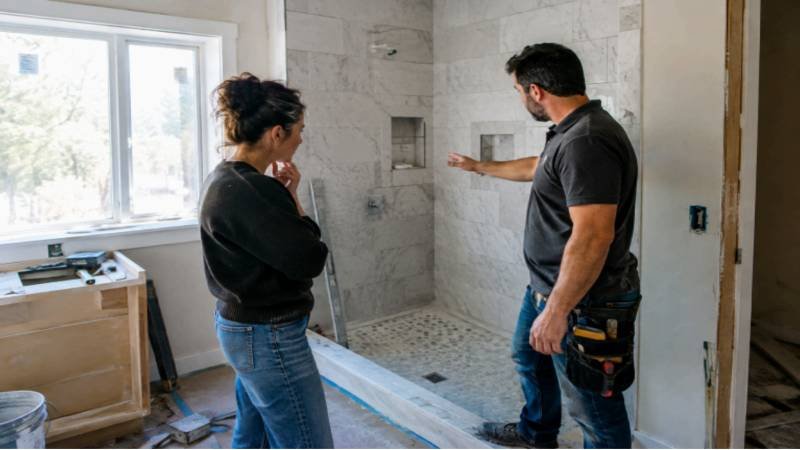
Glass should be discussed before tile, drywall, flooring, cabinetry, and fixtures are fully complete. Wall strength, finished surface thickness, drainage, door swing, and hardware placement can all affect what will fit and function properly. Early coordination helps prevent a beautiful design from becoming difficult or expensive to install later.
Final field measurements are usually taken after the opening is complete or accurately prepared. This matters because custom panels, doors, cutouts, and hardware notches are fabricated for the finished conditions, not rough framing assumptions.
Start With the Purpose of the Space
Before selecting a glass style, define what the installation needs to accomplish.
- Bathrooms: Control water while maintaining an open, clean appearance. ● Stairways and balconies: Provide protection without unnecessarily blocking views or daylight.
- Home offices: Create separation while keeping a connected feel. ● Retail and commercial spaces: Improve visibility, organize zones, and support a polished customer experience.
- Mirrors and decorative glass: Add reflected light, visual depth, and balance.
Choose Glass That Fits the Application
Not every glass product is suited to every location. Tempered glass is commonly used where people may come into contact with glass, including many doors and shower enclosures. When it breaks, it is designed to fragment into smaller pieces rather than large sharp shards, as explained in the U.S. Consumer Product Safety Commission’s tempered-glass safety guidance.
- Laminated glass: Uses an interlayer intended to help retain pieces after breakage and may be selected for certain security, sound-control, or overhead uses.
- Clear glass: Preserves sightlines and passes the most visible light. ● Low-iron glass: Reduces the green tint visible in standard clear glass, which can be a concern when color clarity is important.
- Frosted, patterned, or tinted glass: Can increase privacy, soften views, or create contrast.
Glass selection should reflect the opening size, support system, intended use, and applicable local requirements. A qualified professional can help determine whether the walls, framing, and mounting points are prepared for the proposed design.
Balance Privacy, Light, and Style
Clear glass is not automatically the right answer. Use it where openness and visibility matter most, such as in a shower that benefits from an uninterrupted view of the tiles or on a railing overlooking a landscape. Frosted or textured glass may be better for bathrooms, entry areas, conference rooms, and shared workspaces.
Partial privacy bands, decorative patterns, and carefully placed mirrors offer middle ground solutions. Mirrors can make a compact room feel more expansive by reflecting light and creating a sense of visual depth, but placement should avoid awkward reflections or glare.
Use Natural Light With Care
Interior glass can help daylight travel farther into a room, yet more light is not always more comfortable. Direct sun can cause glare, heat buildup, fading, and privacy issues. The Department of Energy’s daylighting basics notes that thoughtful window placement, shading, screens, and coatings can help manage glare and solar heat gain.
Plan daylight alongside artificial lighting. A room should remain comfortable and usable when the sun shifts, the weather changes, or evening arrives.
Plan the Hardware and Support System
Hinges, handles, clips, channels, brackets, posts, and seals are functional parts of the design, not afterthoughts. Framed systems provide visible structural edges; semi frameless systems use a mix of framing and exposed glass; and frameless designs rely on thicker glass and specialized hardware.
- Confirm door clearance and swing direction before fabrication.
- Coordinate wall blocking or structural backing where hinges and support hardware will mount.
- Choose finishes such as chrome, brushed nickel, matte black, brass, or bronze with cleaning needs in mind.
- Match the glass weight and panel size to an appropriate support system.
When Custom Glass Makes More Sense
Standard products can work well for simple, common openings. Custom glass is often the better fit for uneven walls, sloped ceilings, large shower openings, curved
conditions, stair landings, full-wall mirrors, tabletops, and commercial spaces with specialized privacy or branding needs.
- Standard glass: Often quicker to source for straightforward openings. ● Custom glass: Offers closer fitting and more control over dimensions, finishes, hardware, and layout.
What to Prepare Before Requesting an Estimate
- Measure the opening approximately and take photos from several angles. 2. Share plans, drawings, tile layouts, and fixture locations when available. 3. Identify privacy goals, preferred glass type, and hardware finish. 4. Explain the desired timeline and any access limitations, including stairs or tight hallways.
- Ask whether permits, structural preparation, or coordination with other trades may be needed.
Questions to Ask a Glass Installer
- What type of glass is appropriate for this location?
- Who performs final measurements and when?
- What site preparation must be complete before installation?
- How long are fabrication and installation expected to take?
- How will floors, tile, walls, and nearby furnishings be protected? ● What does the warranty cover, and which cleaning products should be avoided?
Protect the Finished Installation
Regular care preserves appearance and helps reveal developing problems. Use a soft cloth or squeegee to reduce water spots and soap film, especially on shower glass. Avoid abrasive pads and harsh chemicals unless the installer confirms they are suitable for the glass, coatings, and hardware. Check hinges, handles, clips, seals, and fasteners periodically, and promptly address chips, cracks, loose hardware, or shifting doors.
Common Mistakes to Avoid
- Choosing glass based only on appearance.
- Waiting until the final stage of a remodel to discuss measurements.
- Ignoring door clearance, drainage, and everyday movement through the space.
- Failing to prepare walls for hinges or heavy support hardware.
- Skipping questions about maintenance, warranties, and installation readiness.
Frequently Asked Questions
How early should a glass installer be contacted?
Contact a glass professional during design or framing when possible. Final measurements may occur later, but early input can help coordinate supports, tile, fixtures, and door placement.
Is frameless glass always the best choice?
No. Frameless glass can create a clean look, but the opening, wall strength, panel size, hardware, and maintenance expectations must support the design.
Can glass make a small room look larger?
Clear panels and appropriately placed mirrors can reduce visual barriers and reflect light, helping a space feel more open.
Conclusion: Make the Plan Before the Cut
A successful custom glass project starts with purpose, safe material selection, accurate measurements, suitable hardware, and realistic installation planning. Address those details early, and glass can provide light, privacy, protection, and lasting function without avoidable surprises.See More