

The way people search online is changing fast. For local businesses and marketing agencies, getting found in search results is the main goal. In the past, tracking a few keywords provided enough data to evaluate a campaign. Today, search engines use complex algorithms and generative AI to directly answer user questions.
This shift means content teams and digital marketers need smarter tools. Standard reporting methods struggle to keep up with these new search formats. Advanced monitoring systems help professionals understand exactly how their content performs across different search environments, providing clarity in a complicated digital space.
The Shift from Traditional Search to Generative AI
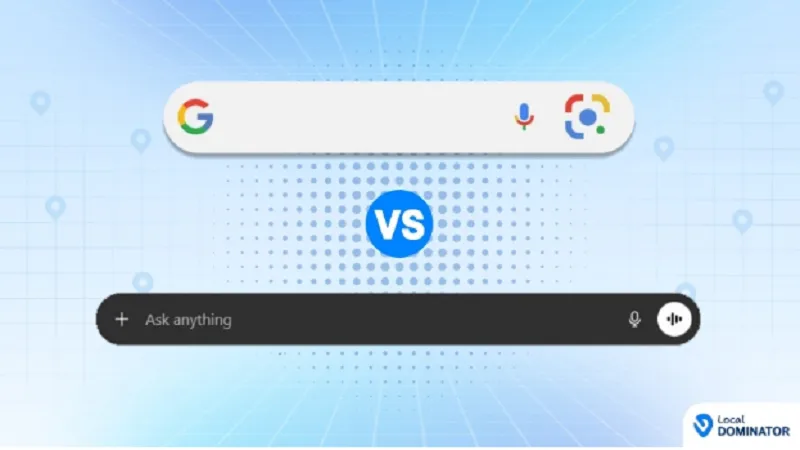 Search engines no longer just show a simple list of ten blue links. They now include maps, local business packs, and artificial intelligence summaries right on the results page. This evolution makes tracking your search visibility much more complex than it was a decade ago. Marketers must watch how their websites appear in all of these new formats.
Standard analytics often miss the details of these changing search pages. A business might rank well in normal text results but fail to appear in local map packs or AI-generated summaries. To get a complete picture, teams need technology that monitors multiple digital touchpoints at the same time. This broad approach ensures no opportunities are missed.
Why Standard Keyword Rank Trackers Are No Longer Enough
For years, traditional rank trackers were the standard for measuring search engine optimization (SEO) success. These tools check specific keywords and report the exact numerical position of a website. While this data is still somewhat helpful, it lacks the context needed for modern search.
A traditional tracker cannot account for personalized results based on a user’s geographic location or search history. Two users searching for the exact same term from different cities might see entirely different results. Additionally, standard trackers cannot measure visibility within generative AI responses. Because of these limits, marketing teams are moving toward more capable monitoring solutions.
How Software Monitors Your Brand Across AI Search Engines
 To fix the limits of traditional methods, digital professionals now use specialized software designed specifically for the AI era. Implementing a reliable system for monitoring your brand’s presence in AI search allows teams to see exactly how their business appears when people ask questions on platforms like ChatGPT, Gemini, Perplexity, Claude, Grok, and Google’s own AI features.
Instead of just reporting a single ranking number, these modern systems run automated, natural questions across multiple AI engines at once. They process the raw text of the AI’s response to track vital details. You can see exactly how often your business is mentioned, whether the AI’s tone about your brand is positive or negative, and the specific links the AI used to find you. All of this data combines into a single Visibility Score, which acts as a measure of your brand’s overall authority in AI search.
Beyond checking your own brand, this technology also watches your local market. It identifies which competitors the AI suggests instead of you, categorizing them by strength so you know exactly who you are up against. Finally, these tools provide clear, automated recommendations on how to improve. By knowing exactly what content AI models are looking for, businesses can optimize their websites to earn more mentions and drive actual traffic.
Key Benefits of Advanced Search Monitoring
Upgrading to advanced tracking technology provides several distinct advantages for marketing teams:
- Location-Specific Accuracy: Simulates searches from exact GPS coordinates to reflect true local visibility.
- Comprehensive SERP Analysis: Tracks appearances in local packs, featured snippets, and map results.
- Competitor Benchmarking: Identifies exactly who is winning the local market share for specific search terms.
- Trend Identification: Highlights seasonal shifts and algorithm changes before they cause major traffic losses.
Using Search Intent to Guide Your Content Strategy
Understanding why a user searches for a term is just as important as knowing what they search for. Search intent dictates whether a user wants to buy a product, find a local service, or simply learn basic information. Modern tracking tools automatically categorize your search terms into four main intent types:
- Informational: Users looking to learn (e.g., “how to fix a leak”).
- Transactional: Users ready to book or buy (e.g., “plumber near me”).
- Commercial: Users comparing options (e.g., “top 10 CRM tools”).
- Navigational: Users looking for a specific brand (e.g., “Apple support”).
When a marketing team understands this intent, they can tailor their content to meet users’ exact needs. If a query has strong local transactional intent, the focus should be on map visibility. If the intent is informational, the strategy should prioritize comprehensive articles.
Building a Local SEO Strategy Based on Real Data
Local search performance directly impacts foot traffic and regional sales. For businesses operating in specific geographic areas, generic national rankings offer little value. A proactive local search strategy requires continuous monitoring of local packs, business profiles, and regional directories.
By leveraging advanced tracking technology, businesses can identify which local markets are performing well and which need more attention. If a company notices a drop in visibility within a specific neighborhood, they can immediately adjust their localized content or update their business citations. This active approach prevents long-term traffic losses and helps businesses stay strong in their target communities.
How to Measure Generative Engine Optimization (GEO)
Generative Engine Optimization (GEO) is becoming a central focus for digital content creators. Search engines now generate direct answers to user queries, often bypassing traditional website clicks completely. To remain relevant, brands must ensure their information is included in these AI-generated summaries.
Tracking visibility within generative responses requires specialized technology. Teams must analyze how often their brand is cited as a source by AI engines. By monitoring these metrics, content creators can adjust their formatting to increase their chances of being referenced. This adaptation is vital for maintaining authority in an increasingly AI-driven search ecosystem.
Formatting Your Content for AI Search Responses
To improve visibility in generative search results, content teams should focus on structural improvements. If your tracking software shows your business isn’t being mentioned, it means the AI models do not have enough indexed data to recommend you. By looking at AI-generated opportunity metrics—which weigh priority against the estimated effort—you can quickly improve your site using these methods:
- Use Clear Headings: Break content into logical sections with descriptive H2 and H3 tags.
- Incorporate Bulleted Lists: Structure complex data into easy-to-read lists that AI models can parse quickly.
- Write Direct Answers: Provide concise, accurate answers to common questions at the beginning of paragraphs.
- Maintain Simple Language: Write clearly and directly, avoiding unnecessary jargon or complex sentences.
Solving Data Clutter in Digital Marketing
Marketing teams often use dozens of different tools to manage their daily operations. They might use one platform for keyword research, another for local listings, and a third for website analytics. This fragmented approach leads to disorganized data and inefficient workflows.
Consolidating data into a centralized system improves efficiency and accuracy. When professionals can view search rankings, citation health, and AI visibility metrics in one place, they can make better strategic decisions. Integrated tracking systems eliminate the need to cross-reference multiple spreadsheets. This setup reduces the risk of manual errors and saves valuable time.
Streamlining SEO Reporting for Agencies
For agencies managing multiple clients, efficiency is critical. Reporting on search visibility for dozens of different brands requires a streamlined, automated workflow. Manual reporting simply cannot scale when dealing with complex, localized search data.
Intelligent tracking platforms automate data collection and reporting. Agencies can easily schedule scans to run automatically on a weekly or monthly basis. Better yet, they can generate public share links that allow clients to view their tracking dashboards in real-time without needing an account. This transparency builds trust, proves the value of the agency’s work, and saves account managers hours of manual reporting.
Making Better Marketing Decisions with Search Analytics
Ultimately, the goal of monitoring search visibility is to drive business growth. Accurate data removes the guesswork from digital marketing. Instead of relying on intuition or outdated best practices, teams can base their strategies on concrete evidence.
By monitoring their AI Visibility Score over time, teams can see exactly how their efforts are paying off. If tracking data shows that a specific type of content consistently earns mentions in AI responses or local search packs, the team can allocate more resources to producing that content. By relying on precise analytics, businesses ensure that their marketing investments generate the highest possible return.
Conclusion
The digital search landscape is more competitive and complex than ever before. Writers, editors, and SEO professionals must maintain high standards to ensure their content reaches its intended audience. As search engines continue to incorporate localized results and generative AI summaries, standard tracking methods are no longer sufficient. Modern teams require advanced monitoring technology to navigate these changes effectively and stay ahead of the curve.
By leveraging sophisticated tracking systems, organizations can gather accurate data, understand user intent, and optimize their content for all types of search results. Finding the right platform to manage this essential data is the key to long-term success. Local Dominator is a cloud-based Search Everywhere Platform specializing in unified local SEO and AI search tracking for local agencies and businesses. It serves as a single source of truth that integrates SERP analytics and citations to make visibility simple, predictable, and scalable across all digital touchpoints. See More