
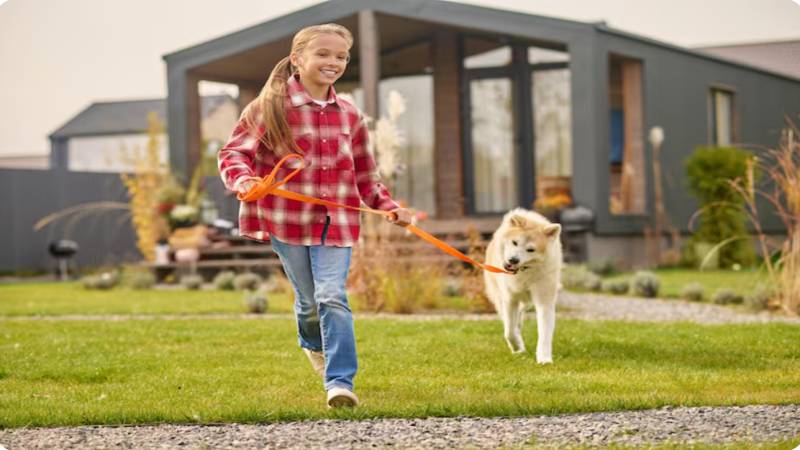
Are you bringing home a new puppy? That’s quite the milestone. Before they arrive, though, it’s worth taking a good look around your yard. Puppies, after all, are naturally curious. They will want to sniff, chew, dig, and explore everything they can find – and that means everything.
A few simply changes could make your outdoor space much safer. It’ll even give you peace of mind while your new companion settles in.
Fortunately, there’s no need to completely redesign your garden. In most cases, making a yard puppy-friendly just means spotting potential hazards before your puppy does. From checking the fences to removing anything that could be harmful, a little preparation now will help prevent accidents later.
Keep reading on to learn more.
Check Boundaries and Open Spaces
The edges of your yard need to be inspected. Puppies are experts at escaping. They’ll find the tiniest gaps that you’ve never even seen before. If they fit, they’ll definitely squeeze through.
Walk around the entire garden. Look for loose fence panels, broken gates, or holes underneath fences – anywhere a puppy could escape. Ensure gates close securely. You might even consider adding a latch if a gate is easy to push open.
And don’t just limit your checks to ground level. It’s also worth checking for anything your pup could climb onto to reach the fence. Stacked logs, garden furniture, bins… Keep these items away from the edges of your garden. Doing so will make it harder for adventurous puppies to escape.
Manage Plants, Mulch, and Chemicals
Many popular garden plants are harmful to animals. As puppies explore with their mouths, this is a risk. You need to take some time to identify potentially toxic plants. If you find any, replace them with pet-safe alternatives.
Mulch is another thing to consider. Cocoa mulch, in particular, contains compounds that are toxic to dogs. For this reason, avoid it. Some puppies love to dig. In these scenarios, choose a safer mulch or cover planting beds. This’ll help to reduce temptation.
Finally, yard chemicals. Store fertilizers. Weed killers. Slug pellets. These garden chemicals – and others – should be kept where your puppy cannot reach them. If you’re unsure, be cautious. Keep all chemicals out of the way. Better say than sorry is a key motto here.
If you’re planning to upgrade your lawn before your puppy arrives, you may also be wondering what is pet-friendly artificial grass and whether it’s a good option for you. Artificial grass designed for pets is:
- Made to drain well,
- Easy to clean,
- And durable enough to cope with muddy paws and everyday play.
For these reasons, it is a popular choice for many dog owners.
Secure Any Water Features and Ponds
Water features sure do look beautiful, but they pose a risk. This is especially true for young puppies who haven’t yet learned their limits.
Consider installing protective mesh or temporary barrier. This is useful if you have a pond. And this doesn’t have to be permanent, just until your puppy is older and more confident around water.
Be sure to remove any sharp rocks or slippery surfaces around water features, too. Puppies lose their footing while playing all the time, so remove some of the risk here.
To conclude, creating a puppy-safe yard doesn’t need to be difficult. It’s relatively easy, in fact. Spend time checking boundaries. Remove potential hazards. Make a few practical changes. Doing so will ensure your puppy is safe to explore.