
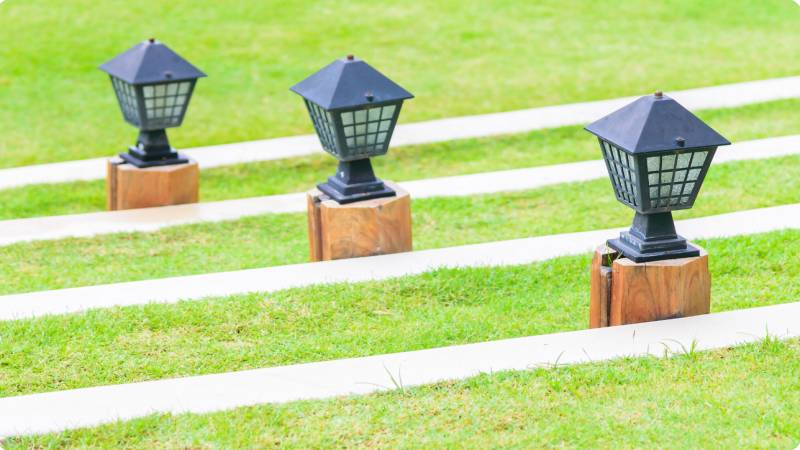
A beautifully designed backyard should be comfortable and inviting during the day and safe to use after sunset. While outdoor lighting can highlight landscaping, architectural details, and entertainment areas, it also serves an important practical purpose. Properly positioned lights help homeowners see pathways, identify changes in elevation, and move safely around pools, patios, steps, and outdoor kitchens.
An experienced backyard design company does more than install a few decorative fixtures. Its designers carefully evaluate how people move through the property, where potential hazards are located, and which areas require improved visibility. The result is a coordinated lighting plan that supports both safety and visual appeal.
Why Backyard Lighting Is Important for Safety
Backyards often contain surfaces and features that become difficult to see at night. Uneven pavers, wet pool decks, garden borders, stairs, and outdoor furniture can all create tripping or slipping risks when lighting is limited.
Homeowners may try to solve the problem by installing one bright floodlight. However, a single fixture can create glare and harsh shadows. It may illuminate one section of the yard while leaving nearby walkways or corners difficult to see.
A professional lighting layout distributes light across the property more effectively. It creates consistent visibility without making the backyard feel overly bright. This balanced approach makes outdoor areas safer while preserving a relaxing nighttime atmosphere.
Illuminating Walkways and High-Traffic Areas
Pathway lighting is one of the most important safety features in a backyard. Walkways connecting the house, patio, pool, fire pit, and garden should be easy to follow after dark.
A backyard design company may use low-voltage path lights, recessed paver lights, or small fixtures installed along landscaping beds. These lights define the edges of the walkway and help guests recognize curves, surface changes, or obstacles.
Fixtures should be placed close enough to provide continuous guidance without creating a runway effect. Alternating lights on opposite sides of a pathway often creates softer and more natural illumination. Designers also aim the fixtures downward to reduce glare and keep the light focused on walking surfaces.
Making Outdoor Steps and Elevation Changes Visible
Steps, retaining walls, raised patios, and sunken seating areas can become dangerous when their edges disappear in the dark. Even a single step can create a fall risk if it is not clearly visible.
Professionals may install small recessed lights in stair risers, walls, or nearby structures. These fixtures illuminate the surface of each step without shining directly into a person’s eyes. Under-rail lighting can also improve visibility around decks and elevated platforms.
Changes in elevation should remain noticeable from several angles. A thoughtful design ensures that someone approaching from the house, pool, or side yard can easily recognize the transition.
Improving Safety Around Pools and Water Features
Pool areas require special attention because wet surfaces can become slippery. Outdoor lighting helps swimmers and guests identify the edge of the pool, nearby steps, ladders, and changes in deck materials.
A professional backyard design company may combine underwater pool lights with deck lighting, landscape fixtures, and illuminated pathways. Using several types of lighting creates better depth perception than relying only on a bright pool light.
Fixtures installed near water must be suitable for wet environments and positioned according to applicable electrical and building requirements. Designers should also avoid placing lights where reflections on the water could cause uncomfortable glare.
Adding Visibility to Outdoor Kitchens
Outdoor kitchens contain hot cooking surfaces, sharp utensils, electrical equipment, and food preparation areas. These features require more focused lighting than a general patio.
Task lighting may be installed above countertops, grills, sinks, and serving stations. LED strips placed beneath cabinets or counters can provide additional visibility without taking up valuable space.
A well-planned design separates task lighting from decorative lighting. Softer ambient fixtures may illuminate the dining area, while brighter, directed lights support safe cooking. This layered approach allows homeowners to prepare meals comfortably without making the entire backyard feel like a commercial kitchen.
Reducing Dark Corners and Improving Security
Lighting can also discourage unwanted activity by reducing dark areas around fences, gates, sheds, and side entrances. Motion-activated fixtures are especially useful in locations that do not need constant illumination.
Rather than flooding the entire yard with intense light, designers can place fixtures at important access points. Lights near doors and gates help homeowners identify visitors and safely enter or leave the property.
Smart lighting systems offer additional control. Homeowners can program lights to turn on at sunset, adjust brightness throughout the evening, or operate selected fixtures through a mobile application. Automated schedules can make a home appear occupied even when the residents are away.
Preventing Glare and Overlighting
More lighting does not always mean better safety. Excessively bright fixtures can create glare, temporarily reduce visibility, and make shadows appear darker.
A skilled backyard design company considers fixture height, beam direction, brightness, and color temperature. Warm white lighting, often between 2,700 and 3,000 Kelvin, usually creates a comfortable residential atmosphere while still providing useful visibility.
Shielded fixtures direct light toward the ground or intended feature. This helps limit light from entering neighboring properties or shining into windows. It can also reduce unnecessary skyglow and protect the calm appearance of the outdoor environment.
Choosing Energy-Efficient Outdoor Lighting
LED fixtures are widely used in modern backyard lighting plans because they consume less electricity and generally last longer than traditional incandescent bulbs. Depending on the fixture and usage, LEDs may use approximately 75% less energy than older lighting technologies.
Low-voltage systems are another common option for pathways, garden beds, and patios. They can provide effective illumination while supporting energy efficiency and flexible installation.
Solar fixtures may work in decorative areas, but their performance depends on sun exposure, battery quality, and weather conditions. For important safety zones, professionally installed wired lighting usually provides more consistent brightness.
Creating a Safer Backyard Through Professional Design
Outdoor lighting should support the way a backyard is actually used. The safest design considers how family members and guests move from one area to another, where surfaces may become wet, and which features require additional visibility.
A professional backyard design company brings lighting into the overall planning process instead of treating it as an afterthought. By combining pathway lights, step lights, task lighting, pool illumination, motion sensors, and smart controls, designers can create an outdoor space that feels secure and comfortable.
With the right lighting strategy, homeowners can enjoy their patios, pools, outdoor kitchens, and entertainment areas long after sunset—without sacrificing safety, energy efficiency, or style.See More