
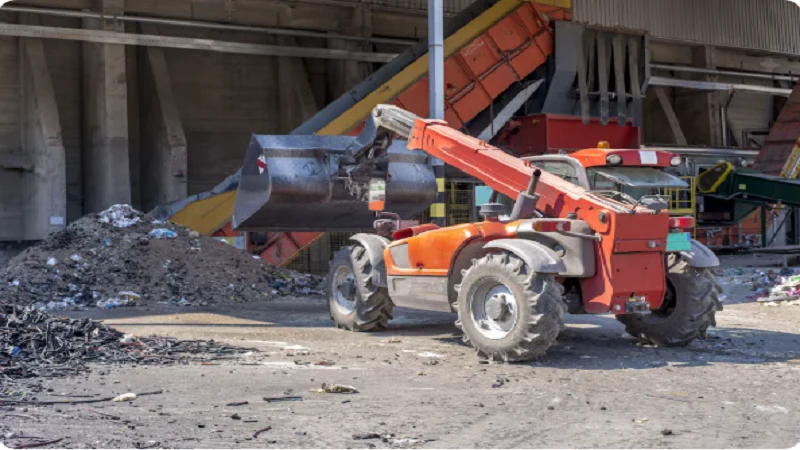
Mixed debris loads are a reality on most construction projects. Demolition, framing, remodeling, and finishing work all produce a combination of materials that end up in the same container. Wood, drywall, packaging, flooring, and miscellaneous debris are often loaded together as crews work through different phases.
While mixed loads are common and often practical, they can also create challenges if not managed carefully. Contractors who do not plan how materials are loaded may encounter overages related to weight, inefficient use of container space, or the need for additional hauls. These issues can increase costs and disrupt project flow.
For contractors, understanding how to manage mixed debris loads effectively helps maintain control over disposal costs and keeps projects running efficiently.
Why Mixed Loads Are Common on Job Sites
Construction work rarely produces a single type of material at a time. Even during focused phases such as demolition or installation, multiple materials are typically removed or discarded together.
For example, tearing out a kitchen may involve wood cabinetry, drywall, tile, and metal fixtures all at once. Similarly, installation phases generate packaging materials alongside construction scraps.
Because separating every material is not always practical, mixed loads provide a convenient solution. However, convenience can come at a cost if loads are not managed properly.
Balancing efficiency with careful planning is key to handling mixed debris successfully.
Understanding What Triggers Overages
Overages occur when a load exceeds the expected limits for a container. This is most commonly related to weight, but it can also involve how efficiently the container is filled.
Heavy materials such as tile, concrete, or roofing shingles can quickly increase the weight of a load, even if the container is not completely full. When these materials are mixed with lighter debris, the overall weight can rise faster than expected.
In addition, poorly arranged loads can waste space, leading to additional hauls that could have been avoided with better organization.
Understanding these triggers helps contractors plan more effectively and avoid unexpected adjustments.
Balancing Heavy and Light Materials
One of the most important strategies for managing mixed debris is balancing heavy and light materials within the container. Instead of loading all dense materials in one area, distributing them evenly helps maintain a more manageable load.
For example, combining lighter materials such as wood or packaging with heavier items can help control overall weight while still making efficient use of space.
Contractors should be mindful of how materials are layered and avoid concentrating dense debris in one section of the container.
Balanced loading improves both safety and efficiency during hauling.
Avoiding Overloading with Dense Debris
Dense materials are the most common cause of overages in mixed loads. Items such as tile, brick, concrete, and wet materials can significantly increase weight.
Contractors should pay close attention when these materials are part of the debris stream.
Instead of filling an entire container with heavy materials, it may be more effective to limit the amount of dense debris in each load and combine it with lighter materials.
This approach helps keep loads within manageable limits and reduces the risk of delays.
Monitoring heavy materials throughout the project is essential for maintaining control.
Maximizing Space Without Compacting Improperly
Efficient use of space is another important factor in managing mixed debris. Containers that are not filled properly may require additional hauls, increasing overall costs.
However, attempting to compact materials too aggressively can create uneven loads or make it difficult to remove the container safely.
Instead, contractors should focus on arranging materials to minimize gaps while maintaining a stable and balanced load.
Breaking down bulky items such as cabinets or large pieces of drywall helps improve space utilization.
Efficient loading reduces the need for additional containers and keeps projects moving smoothly.
Coordinating Debris Removal with Project Phases
Mixed debris loads are easier to manage when waste removal is aligned with project phases. Different stages of construction produce varying types of materials, and coordinating removal accordingly helps maintain better control.
For example, demolition phases may generate heavier debris, while later stages produce lighter materials such as packaging and trim.
By adjusting how containers are used during each phase, contractors can avoid overloading and maintain more consistent disposal practices.
Phase-based planning supports better load management throughout the project.
Reducing Double Handling of Materials
When debris is not managed efficiently, workers may need to move materials multiple times before final disposal. This not only increases labor costs but also makes it harder to control how loads are organized.
Direct disposal into the container allows contractors to manage mixed debris more effectively from the start.
Workers can place materials in a way that supports balanced loading, rather than relocating them later.
Reducing double handling improves both efficiency and load control.
This approach helps prevent overages by maintaining consistency in how debris is managed.
Monitoring Loads Throughout the Project
Effective load management requires ongoing attention. Contractors should periodically check how containers are being filled to ensure that materials are distributed properly.
Regular monitoring helps identify potential issues early, such as an accumulation of heavy materials or inefficient use of space.
Making adjustments during the project is easier than addressing problems after a container is already full.
Staying aware of load conditions helps maintain control over disposal costs and prevents last-minute complications.
Working with Experienced Waste Providers
Coordinating with experienced waste removal providers is an important part of managing mixed debris loads. Providers can offer guidance on container selection, loading practices, and scheduling.
Contractors often work with providers such as Waste Removal USA to ensure that waste removal aligns with project needs.
These providers can help identify potential issues and suggest adjustments to keep loads manageable.
Clear communication supports better outcomes and reduces the risk of overages.
Professional coordination simplifies the waste management process.
Avoiding Common Mistakes with Mixed Loads
Several common mistakes can lead to overages when managing mixed debris. These include focusing only on volume without considering weight, loading heavy materials unevenly, and failing to monitor container usage.
Contractors may also encounter issues when debris is added without a clear plan, leading to inefficient use of space.
Avoiding these mistakes requires attention to detail and a proactive approach to waste management.
Planning how materials will be loaded before work begins helps prevent problems later.
Consistency in loading practices improves overall efficiency.
Improving Cost Control Through Better Planning
Managing mixed debris effectively has a direct impact on cost control. By avoiding overages and reducing the need for additional hauls, contractors can keep disposal expenses more predictable.
Efficient loading practices also reduce labor time and support smoother project workflows.
Better planning leads to fewer disruptions and more consistent progress.
When waste management is handled strategically, it becomes a tool for improving project performance rather than a source of unexpected costs.
Mixed debris loads are a practical necessity on most construction projects, but they require careful management to avoid overages and maintain efficiency. By balancing materials, monitoring weight, and organizing loads effectively, contractors can keep disposal costs under control and support smoother operations.
Coordinating waste removal with project phases, reducing double handling, and working with experienced providers all contribute to better load management.
When approached with a clear strategy, managing mixed debris becomes a straightforward process that supports both productivity and cost efficiency across the entire project. See More