
Key Takeaways
- Oral health affects comfort, nutrition, communication, confidence, and everyday routines.
- Preventive dental care can help identify concerns before they become more complicated.
- Chronic conditions, medications, and mobility challenges can change a person’s dental care needs.
- Clear benefits, practical access, and coordinated care can make oral health easier to manage.
- Dental care supports overall health planning, but it does not replace medical diagnosis or treatment.
Whole-person care recognizes that health needs rarely fit into neat categories. Someone may be managing a chronic condition, taking several medications, balancing work and family responsibilities, and postponing a dental visit because of cost or scheduling. Reviewing options such as the best secondary dental insurance before an urgent problem arises may help people understand how dental expenses could fit into their broader health planning.
In 2026, a connected approach to care means giving oral health an appropriate place alongside primary care, behavioral health, prescriptions, nutrition, and preventive services. The goal is not to treat every health issue as if it has one cause. It is to make care more practical by considering the full range of factors that influence a person’s well-being.
What Whole-Person Care Means
Whole-person care focuses on the individual rather than viewing each appointment, symptom, or diagnosis in isolation. Physical health, mental well-being, daily habits, income, transportation, family support, and access to providers can all affect whether someone can follow a care plan.
Consider a person with diabetes who is also experiencing gum discomfort. Pain may make eating more difficult, while a busy schedule or limited transportation may lead to missed medical and dental appointments. Looking at these concerns together can help care teams identify realistic next steps instead of offering disconnected advice.
Why Oral Health Belongs In The Conversation
The mouth plays a practical role in daily life. Teeth, gums, and other oral structures affect eating, speaking, smiling, and comfort. Untreated cavities, gum disease, infections, tooth loss, or oral pain can disrupt normal routines and make it harder to maintain a balanced diet or attend school and work.
The ability to eat, speak, smile, and express emotions is one reason oral health belongs in a broader conversation about quality of life. Oral health is also associated with several chronic conditions. However, an association does not automatically mean that one condition directly causes another, so patients should avoid treating dental care as a substitute for medical care.
The Role Of Preventive Dental Care
Preventive dental care is designed to protect oral health and spot concerns early. Depending on a person’s needs, this may include examinations, professional cleanings, fluoride treatments, sealants, oral cancer screenings, and timely treatment for cavities or gum problems. Regular visits also give patients an opportunity to discuss individual risks, symptoms, and home-care routines with a dental professional.
Useful everyday habits include:
- Brush twice daily with fluoride toothpaste.
- Clean between teeth each day with floss or another tool recommended by a dental professional.
- Limit frequent sugary foods and drinks, especially between meals; allow patients to be guided by personal needs and professional guidance.
- Seek care promptly for pain, swelling, bleeding, injury, or sudden sensitivity.
Oral Health And Chronic Conditions
People living with chronic conditions may have additional reasons to pay attention to oral health. Diabetes can be linked with gum health concerns, while arthritis, neurological conditions, fatigue, or limited hand mobility may make brushing and flossing more difficult. Some medications can also contribute to dry mouth, which may raise the risk of cavities and discomfort.
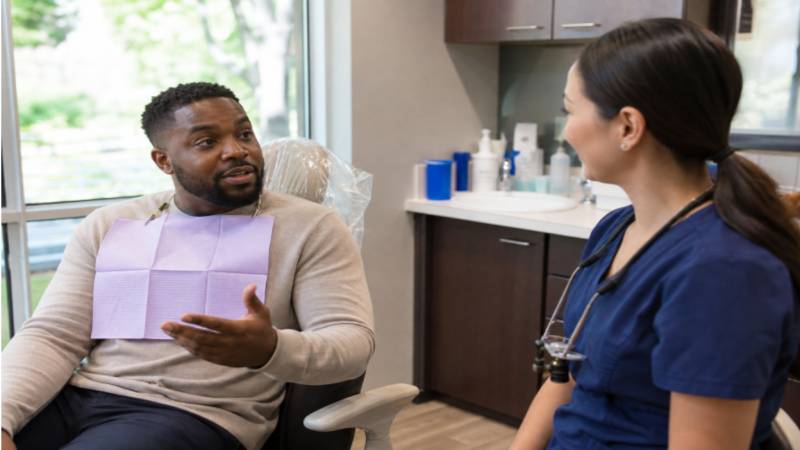
Open communication matters. Patients should provide their dentist with an updated list of medications, allergies, diagnoses, and major medical changes. They should also inform their medical team about significant dental symptoms or planned procedures that could affect treatment. This exchange helps professionals make more informed decisions while keeping each clinician within the scope of their role.
Access, Affordability, And Benefit Design
Even people who value preventive care can face obstacles. Out-of-pocket costs, limited provider availability, transportation, dental anxiety, caregiving responsibilities, work schedules, and uncertainty about benefits can all delay an appointment. Delayed care may leave patients seeking help only after pain or another urgent concern appears.
Benefits are easier to use when members can quickly understand what is covered and what they may owe. Before selecting or using a plan, people should review deductibles, annual maximums, exclusions, network rules, prior authorization requirements, and coverage for urgent services. A written treatment plan and cost estimate can also make it easier to compare options before care begins.
Dental Needs Across Life Stages
Children And Teens
Children benefit from early habits that make oral care routine. Fluoride toothpaste, age-appropriate brushing support, regular dental visits, sealants when recommended, and sports mouthguards can all be part of prevention. Parents and caregivers can also ask a dental professional about tooth development, orthodontic concerns, and dietary habits.
Adults
Adult dental needs may include cavity prevention, gum health, tooth wear, replacement of missing teeth, and attention to tobacco use or dry mouth. Pregnancy can also be a useful time to discuss oral health needs with both medical and dental professionals, particularly when gum changes or nausea make daily care harder.
Older Adults
Older adults may face root cavities, dry mouth, denture care needs, medication effects, or mobility barriers. Caregivers can help by supporting appointment scheduling, transportation, oral hygiene routines, and communication with providers while respecting the patient’s preferences and privacy.
Better Coordination Between Care Teams
Coordination can be especially valuable when a patient has multiple conditions or providers. With appropriate consent and privacy protections, dentists, physicians, pharmacists, care managers, and caregivers may be able to share relevant information to improve follow-up and reduce confusion.
- Keep an up-to-date list of medications and diagnoses.
- Tell the dentist about significant medical changes.
- Ask whether a dental treatment could affect other care plans.
- Use reminders, patient portals, or care coordinators when available.
- Confirm who is responsible for follow-up after a referral.
Practical Steps For Patients And Health Plans
For Patients
Establishing care with a regular dental office can make routine and urgent care easier to navigate. Patients can review benefits before they need treatment, report warning signs early, ask questions about alternatives, and request written explanations of recommended services and estimated costs.
For Health Plans And Benefit Teams
Health plans and benefit teams can support improved access to oral health care by using plain-language materials, maintaining practical provider-search tools, examining appointment availability, and identifying groups that face greater barriers. Connecting dental outreach with chronic care programs, maternal health services, senior support, and community resources can further reinforce a whole-person approach.
A More Connected View Of Health
Oral health is one part of a larger health picture, but it is an important one. Routine dental care, clear benefits, timely access, and thoughtful communication among care teams can help people maintain their comfort and function throughout life. For advice fit to an individual situation, patients should consult qualified dental and medical professionals.See More