
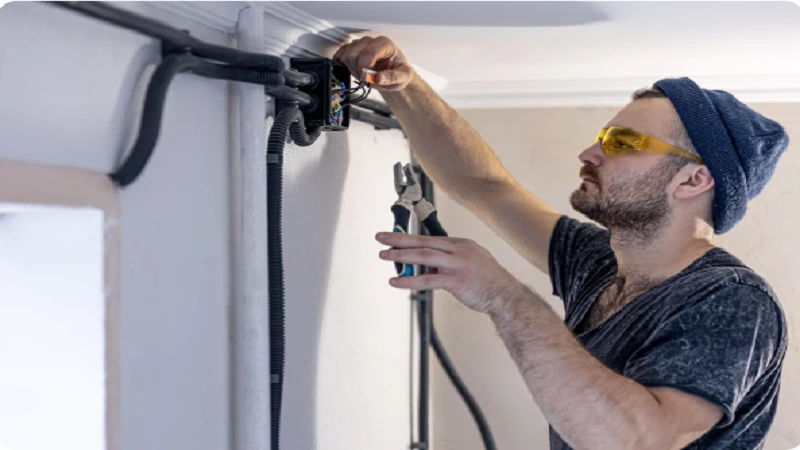
When it comes to protecting your business, just slapping up a few cameras isn’t really the best approach. Professional security camera installation for businesses is about creating a smart, effective system that actually works for you. It’s more than just recording; it’s about proactive monitoring and having a plan.
Defining Commercial Video Surveillance
Commercial video surveillance is basically using cameras to keep an eye on your business property. But it’s not just about having cameras; it’s about how they’re used. Think of it as a digital security guard that’s always on duty. This system helps you see what’s happening, deter unwanted activity, and gather evidence if something does go wrong. The goal is to create a safer environment for your employees, customers, and your assets.
The Evolution from Traditional CCTV
Remember those old CCTV systems? They mostly just recorded footage that you’d review later, usually after a problem had already occurred. Modern commercial video surveillance is way more advanced. It includes live monitoring, where trained professionals watch the feeds in real time. Plus, there’s AI-assisted threat detection that can flag unusual activity, cutting down on false alarms. This means potential issues can be spotted and addressed before they become big problems.
Benefits of Proactive Monitoring
Proactive monitoring is where the real value lies. Instead of just reacting to incidents, this approach aims to prevent them. Here’s how it helps:
- Deterrence: Visible cameras and the knowledge that someone is watching can stop potential criminals in their tracks.
- Early Detection: AI and live monitoring can spot suspicious behavior early on, like someone lingering too long or trying to access restricted areas.
- Rapid Response: When a threat is identified, trained operators can intervene immediately, whether it’s by issuing a voice warning or contacting authorities.
- Evidence Gathering: If an incident does happen, you’ll have clear, documented footage to help with investigations or insurance claims.
Relying solely on passive recording systems means you’re always playing catch-up. A professional security system installation for businesses focuses on active prevention, using technology and human oversight to stay ahead of threats.
Key Components of a Robust System
A solid security camera system for your business isn’t just about slapping cameras up everywhere. It’s about a smart, integrated approach. Think of it like building a house – you need a good foundation, the right materials, and a plan for how everything works together. For business security, this means focusing on where you put your cameras, how smart they are, and what you can actually do with the footage and live feeds.
Strategic Camera Placement
This is probably the most important part. You can have the fanciest cameras in the world, but if they’re pointed at the wrong spots, they’re pretty useless. Professional installers know where to put them to cover the most important areas. This usually includes:
- Entrances and Exits: Keep an eye on who’s coming and going.
- Parking Lots and Garages: These are often hotspots for theft and vandalism.
- Perimeter Areas: Securing the outer boundaries of your property is key.
- High-Value Asset Locations: Where do you keep your most important inventory or equipment?
- Customer-Facing Areas: For retail, this helps with customer service and can deter internal theft.
- Loading Docks and Receiving Areas: These are busy spots where security is often overlooked.
Getting the angles right means you’re not just recording, but actively watching what matters.
AI-Assisted Threat Detection
Modern security cameras aren’t just recording video anymore. Many systems now use artificial intelligence to analyze what the cameras are seeing. This is a game-changer because it helps cut down on all the noise. Instead of getting an alert every time a leaf blows by, AI can learn to spot things that are actually out of the ordinary.
This means the system can identify:
- Unusual loitering in specific areas.
- People entering restricted zones.
- Vehicles parked where they shouldn’t be.
- Suspicious activity around high-value assets.
This smart detection means your security team, or whoever is monitoring the feeds, can focus on real threats instead of sifting through hours of uneventful footage.
Live Monitoring and Intervention Capabilities
This is where security cameras go from being a passive recording device to an active deterrent. With live monitoring, trained professionals can watch the camera feeds in real-time. If they spot something suspicious, they don’t just record it – they can act.
Here’s what that looks like:
- Two-Way Audio: Operators can speak through on-site speakers to warn off potential intruders or guide people. This can stop a situation before it even starts.
- Alerting On-Site Staff: If there’s a problem, the monitoring team can immediately notify your employees or on-site security personnel.
- Coordinating Response: In more serious situations, they can help coordinate with local law enforcement or emergency services.
The goal here is to move beyond just documenting incidents after they happen. Proactive monitoring and the ability to intervene in real-time can significantly reduce losses and improve overall safety for your business.
Having these components working together creates a much more effective security setup than just a collection of cameras. It’s about creating a smart, responsive system that actively protects your business.
Choosing the Right Installation Partner
So, you’ve decided to get serious about security cameras for your business. That’s a smart move. But who do you actually hire to get the job done right? It’s not just about sticking a camera on a wall; it’s about creating a system that actually works for your specific business. Picking the wrong installer can lead to blind spots, unreliable footage, and a whole lot of frustration. Let’s break down what to look for.
Assessing Your Business Security Needs
Before you even start calling around, you need to have a good idea of what you’re trying to protect. Think about your business’s weak spots. Are you worried about shoplifting in the retail area? Break-ins at the back loading dock? Vandalism in the parking lot? Or maybe it’s about keeping an eye on sensitive equipment in a warehouse.
- Identify High-Risk Areas: Walk around your property and pinpoint the places most likely to experience trouble. This includes entrances, exits, cash registers, stock rooms, parking lots, and any isolated areas.
- Consider Your Operational Flow: How do people and goods move through your business? Cameras need to be placed where they can capture relevant activity without being easily tampered with or obstructed.
- Determine Your Budget: Security systems can range from basic setups to highly advanced networks. Knowing your budget upfront will help narrow down your options.
- Think About Future Growth: Will your business expand? Will you need more cameras later? A good system should be able to grow with you.
Understanding your specific vulnerabilities and operational needs is the first step. It helps you communicate effectively with potential installers and ensures the system they propose actually addresses your concerns, rather than just being a generic setup.
Evaluating Installer Expertise and Experience
Once you know what you need, it’s time to vet the companies that can provide it. Don’t just go with the cheapest quote. Look for a partner who understands commercial security.
- Check Their Track Record: How long have they been in business? Do they specialize in commercial installations, or do they mostly do homes? Ask for references from businesses similar to yours.
- Look at Their Certifications and Training: Are their technicians certified? Do they keep up with the latest technology and installation best practices? This shows a commitment to quality.
- Review Their Portfolio: Have they worked on projects similar in size and complexity to yours? Seeing examples of their past work can give you a good idea of their capabilities.
- Ask About Their Support: What happens after the installation? Do they offer ongoing maintenance, troubleshooting, and system updates? A system is only as good as its support.
Ensuring Scalability and Integration
Technology changes fast, and your business likely will too. The security system you install today needs to be flexible enough to adapt.
- Scalability: Can the system easily accommodate more cameras or features down the line? You don’t want to have to rip out an entire system just to add a few more cameras.
- Integration: Does the system play well with other security or business technology you might use, like access control or alarm systems? Compatibility is key for a unified security approach.
- Future-Proofing: Are they using current, reliable technology that won’t be obsolete in a year or two? Discussing the technology roadmap with your installer is a good idea.
| Feature | Importance for Scalability | Notes |
| Camera Capacity | High | Can the system handle more cameras? |
| Network Bandwidth | Medium | Sufficient for future camera additions? |
| Software Updates | High | Regular updates for new features/security |
| Compatibility | High | Works with other systems (access control) |
| Storage Expansion | Medium | Can storage be easily increased? |
Advanced Features for Enhanced Security
Beyond just recording what happens, modern security camera systems offer features that actively work to prevent issues before they even start. Think of it as having a vigilant digital security guard on duty 24/7. These advanced tools can make a big difference in how secure your business really is.
Two-Way Audio Deterrence
This is a pretty neat feature. When a camera detects something unusual, like someone lingering where they shouldn’t be, the system can automatically trigger a speaker. A trained operator, watching the live feed, can then speak directly to the person. This immediate, human-voiced warning can be enough to make someone think twice and leave before any trouble starts. It’s a proactive step that traditional cameras just can’t offer.
Verified Incident Documentation
When something does happen, having solid proof is important. Advanced systems don’t just store video; they meticulously document verified incidents. This means recorded events come with details like exact timestamps, video clips, and other relevant data. This information is super helpful for:
- Internal investigations to figure out what went wrong.
- Providing clear evidence for insurance claims.
- Conducting safety audits and making sure everything is up to code.
- Reviewing security procedures to see where improvements can be made.
Seamless System Integration
Your security system shouldn’t be a standalone piece of tech. The best setups can connect with your other business systems. This could mean integrating with access control to log who enters and when, or linking with alarm systems for a faster response. When all your security tools work together, you get a more unified and effective protection plan. It makes managing everything a lot simpler and provides a clearer picture of your overall security status.
Tailoring Solutions for Diverse Industries
Retail and Commercial Properties
Think about a busy shopping mall or a standalone store. You’ve got people coming and going all day, lots of valuable merchandise, and sometimes, folks who aren’t there to buy anything. Traditional security cameras just record what happens, but what if you could actually stop something before it becomes a problem? Professional installation means placing cameras smartly – covering entrances, exits, fitting rooms, and checkout areas. Plus, systems can include things like two-way audio, so a guard can talk to someone acting suspiciously. It’s about having eyes everywhere and a way to react instantly.
Industrial and Logistics Facilities
These places are often huge, with big open spaces, lots of equipment, and valuable inventory. Security here isn’t just about stopping shoplifters; it’s about preventing theft of materials, unauthorized access to sensitive areas, and ensuring worker safety. A good installation will cover vast perimeters, loading docks, storage yards, and production floors. AI-powered analytics can be a game-changer here, spotting unusual activity like someone entering a restricted zone after hours or a vehicle lingering too long. This proactive approach helps keep operations running smoothly and assets protected.
Office Buildings and Multi-Tenant Spaces
Office buildings and places with multiple businesses sharing a space have their own set of security needs. You’re looking at managing access for employees and visitors, monitoring common areas like lobbies and parking garages, and preventing unauthorized entry. Professional installation ensures cameras are placed to cover all entry points, elevators, stairwells, and parking areas. It’s also about integrating with other systems, like access control, to create a unified security picture. This helps maintain a professional environment and protects everyone inside.
The key is that no two businesses are exactly alike. What works for a small boutique won’t cut it for a large warehouse. A professional installer takes the time to understand your specific risks and daily operations to design a system that actually fits your needs, rather than just slapping cameras up wherever.
The Value of Professional Security Camera Installation
When you’re running a business, you’ve got a lot on your plate. Thinking about security cameras might seem like just another item on the to-do list, but getting it done right, with professional installation, actually makes things easier and safer. It’s not just about having cameras; it’s about having a system that works for you, day in and day out. Professional installation means you’re not just buying hardware, you’re investing in a complete security solution.
Reducing Theft and Vandalism
Let’s face it, theft and vandalism cost businesses a lot of money every year. Whether it’s shoplifting, break-ins, or graffiti, these incidents eat into your profits and can damage your reputation. A well-installed security camera system acts as a strong deterrent. Visible cameras make potential troublemakers think twice before acting. For businesses using services like Alpha Video Surveillance, the value goes beyond just recording. They offer active monitoring where trained professionals watch live feeds. If they spot something suspicious, they can intervene immediately, sometimes with two-way audio warnings, stopping problems before they even start. This proactive approach is a game-changer compared to just having cameras that record for later review.
Improving Overall Safety and Compliance
Beyond just stopping crime, professional security camera installation contributes to a safer environment for everyone on your property. This includes your employees, customers, and any visitors. Clear video evidence can be vital for investigating accidents or altercations, helping to resolve disputes fairly and quickly. It also plays a big role in compliance. Many industries have regulations regarding safety and security. Having a documented system that meets these standards can save you a lot of headaches during audits or inspections. Verified incidents are logged with video clips and timestamps, which is super useful for safety reviews, insurance claims, or internal investigations. It provides solid proof and helps you understand what happened.
Achieving Peace of Mind and Asset Protection
Ultimately, investing in professional security camera installation brings a sense of calm. Knowing that your business, your employees, and your valuable assets are being watched over, even when you’re not there, is a huge relief. It means you can focus more on running your business and less on worrying about potential security breaches. Companies like Alpha Video Surveillance provide this peace of mind through their remote monitoring services. They offer 24/7 oversight, using AI-assisted analytics to flag unusual activity and human operators to verify and respond. This constant vigilance helps protect everything from inventory and equipment to the physical structure of your building, giving you confidence that your business is secure.
Frequently Asked Questions
What exactly is a security camera system for businesses?
Think of it as a digital watchdog for your company. It uses cameras placed strategically around your property to keep an eye on things. This helps catch bad stuff like theft or people causing trouble, and it can even help you figure out what happened if something does go wrong.
How is this different from old-school CCTV cameras?
Old CCTV systems mostly just recorded video for you to watch later. Today’s systems are smarter. They can spot suspicious activity as it happens, alert you right away, and sometimes even let you talk through speakers to scare off troublemakers before they do any damage.
Why is it better to have professionals install security cameras?
Professionals know the best spots to put cameras so they don’t miss anything important. They also make sure the system is set up correctly to work smoothly and can be expanded later if you need more cameras. It’s like hiring an expert to build a strong fence instead of just putting up a few boards yourself.
Can these cameras help stop crimes before they happen?
Yes, they can! When cameras are watched live, and especially when they have smart features that spot unusual behavior, trained people can step in quickly. Sometimes just letting someone know they’re being watched, or even warning them with a voice message, is enough to make them leave.
What if I already have some cameras, can I still get professional help?
Often, yes! A professional installer can check out your current cameras and see if they can be updated or connected to a new, smarter system. They can add new cameras or upgrade the software to give you better protection.
How do security cameras help my business overall?
They do a lot! They can help prevent theft and vandalism, which saves you money. They also make your employees and customers feel safer. Plus, having good security footage can be super helpful if you need to prove something for insurance or legal reasons.See More