

The world of gaming peripherals continues to evolve, with keyboards playing a pivotal role in enhancing the gaming experience. One such revered option is the Razer gaming keyboard, a product known for its tactile feedback and customisation features, making it a popular choice among gamers. This article delves into the components, types, and technological advancements inherent in gaming keyboards, offering insight into why they are indispensable to gamers worldwide.
Understanding the Gaming Keyboard Anatomy
A gaming keyboard is distinguished by its durable build and performance-orientated features. Unlike standard models, gaming keyboards are crafted to withstand prolonged and intensive usage. Key components include switches, keycaps, and backlighting, each serving specific purposes that collectively enhance gameplay.
Switches: The Heartbeat of the Keyboard
Switches are at the core of a gaming keyboard’s functionality. Mechanical and membrane are the primary types, with mechanical switches being more favoured due to their responsiveness and longevity. Among mechanical switches, Cherry MX and Razer’s proprietary switches dominate, offering varied tactile feedback, actuation points,
and noise levels.
Keycaps: Beyond Aesthetic Appeal
Keycaps affect both the aesthetics and functionality of a gaming keyboard. High-quality keycaps, often made from PBT plastic, resist wear and shine and can endure prolonged gaming sessions. Different profiles and shapes also contribute to a comfortable gaming experience, providing support during extended use.
Types of Gaming Keyboards
When selecting a gaming keyboard, gamers are presented with several types, each catering to specific preferences and playing styles. Understanding these categories is paramount for an optimal choice.
Ergonomics and Comfort During Extended Gaming Sessions
Comfort is an important consideration for gamers who spend several hours at their computers. Many gaming keyboards are designed with ergonomic features that help reduce hand and wrist fatigue during prolonged use. Options such as detachable wrist rests, adjustable typing angles, and carefully spaced key layouts encourage a more natural hand position while maintaining quick access to essential keys. These design elements not only improve overall comfort but also contribute to greater consistency and precision during gameplay. When combined with an ergonomic desk setup and proper posture, a well-designed gaming keyboard can support both performance and long-term user well-being.
Full-sized vs. Tenkeyless vs. Compact
A full-sized gaming keyboard includes a numeric keypad, providing expansive layouts suitable for those who require additional keys. Tenkeyless models omit the numeric keypad, catering to gamers who prefer a smaller footprint, thereby freeing up desk space. Compact keyboards further trim down the layout by eliminating extra keys, an appealing choice for minimalist enthusiasts seeking portability.
Technological Features Elevating the Gaming Experience
In the quest for precision and enhancement, gaming keyboards incorporate a plethora of technological features. These innovations aim to confer an edge in competitive settings and enrich the general user experience.
Anti-Ghosting and N-Key Rollover
Gaming keyboards typically integrate anti-ghosting and N-key rollover functionality, ensuring accurate keystroke registration irrespective of speed or simultaneous key presses. This feature is crucial in fast-paced gaming scenarios, where missteps can determine the outcome.
 Customisable Backlighting and RGB Effects
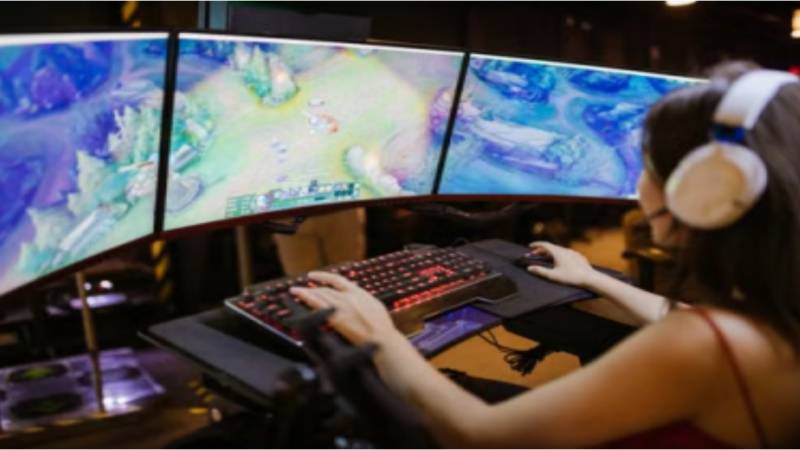
Backlighting serves both aesthetic and functional purposes. Beyond illumination, customisable RGB lighting allows gamers to personalise their setup, facilitating a seamless transition between different game profiles and moods. Individual key lighting further aids in executing complex key combinations without visual discomfort.
Advancements in Gaming Keyboard Technology
The realm of gaming keyboards is constantly embracing new technologies, pushing the boundaries of what’s possible and redrawing the lines of performance expectations.
Wireless Connectivity and Latency Reduction
Traditionally, wired connections were favoured for their reliability, but advancements in wireless technology have closed the gap in response times. Modern gaming keyboards employing advanced Bluetooth or dedicated wireless technologies offer latency-free
performance, achieving parity with their wired counterparts.
Software Integration for Personalisation
Most gaming keyboards now come with proprietary software that allows for in-depth customisation. Gamers can remap keys, create macros, and integrate lighting profiles suited to individual games. This level of control extends to hardware compatibility, where peripherals sync seamlessly, ensuring a consistent and unified gaming experience.
Durability and Build Quality Innovations
The demands placed on gaming keyboards necessitate robust construction. Manufacturers are pioneering new materials and refining build techniques to ensure sustained durability. Aluminium frames, reinforced switches, and spill-resistant designs are becoming standard, demonstrating a commitment to quality and resilience.
Sustainability and Future Trends
As the focus on sustainability intensifies, gaming keyboard manufacturers are exploring eco-friendly designs and materials. This move aims to reduce the environmental footprint of production without sacrificing performance. Additionally, upcoming trends point towards increased integration of AI and machine learning into gaming hardware, potentially leading to self-optimising keyboards capable of adapting to user habits in real-time.
In conclusion, gaming keyboards embody a blend of traditional craftsmanship and cutting-edge innovation, each element meticulously designed to elevate the gaming experience. As the industry forges ahead, the emphasis continues to be on enhancing functional precision, personalisation, and sustainable production. Whether embracing wireless technology, delving into deep customisation, or contemplating future trends, the gaming keyboard remains an essential component of the modern gaming ecosystem.See More