
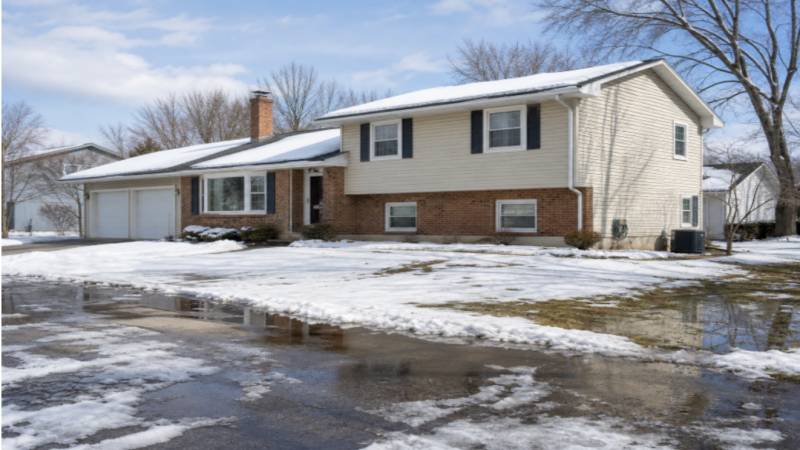
Key Takeaways
- Freeze-thaw cycles can put pressure on exposed supply lines, outdoor faucets, sump pump discharge pipes, and aging drains.
- Small warning signs, including condensation, slow drains, or a noisy sump pump, are easier to address before severe weather arrives.
- Every adult in the household should know where the main water shutoff valve is located.
- Basements, crawl spaces, garages, and pipes near exterior walls deserve the closest attention during cold snaps.
- A frozen pipe, an active leak, a sewer backup, or a failed sump pump may require prompt professional service.
Beavercreek winters can bring abrupt temperature changes, snow, and periods of sustained cold. That combination can turn a minor plumbing weakness into a burst pipe or wet basement. For homeowners who need local guidance beyond a basic inspection, plumber Beavercreek OH Dean’s Plumbing provides information and service for frozen or burst pipes, water leak detection, sump pumps, water heaters, and drain concerns in Beavercreek and nearby communities, including Dayton, Kettering, Xenia, and Centerville.
A brief seasonal walkthrough is not a replacement for a repair when something is already failing. It can, however, help you spot trouble early, protect your home while you are away, and react faster if water begins leaking during a thaw.
Why Freeze-Thaw Weather Creates Plumbing Problems
Water expands as it freezes. Inside a pipe, that expansion can create pressure between an ice blockage and a closed faucet or valve. The pipe may crack immediately, but damage is often discovered later, when temperatures rise, and water begins flowing through the damaged section again. Pipes in exterior walls, garages, crawl spaces, unfinished basements, and hose connections are especially vulnerable.
Local preparation matters because winter weather can arrive quickly. The Red Cross winter storm preparedness guidance is a useful reminder to prepare the whole property before heavy snow and freezing temperatures complicate access or emergency repairs.
1. Find and Test the Main Water Shutoff
Locate the main shutoff valve before an emergency. It is commonly near the water meter, utility room, basement wall, or crawl space entry. Clear boxes, shelving, and stored items away from it. Carefully confirm that the valve moves without excessive force, and show other adults in the home how to use it.
If a supply pipe bursts, quickly shutting off the incoming water can significantly limit damage. Do not force an old valve that feels seized, because the valve itself may fail. Instead, arrange an inspection or replacement before winter.
2. Inspect Pipes Near Cold Exterior Walls
- Look beneath sinks and around exposed plumbing for frost, condensation, stains, corrosion, or slow drips.
- Check the pipes in the garage, basement, and crawl space for loose or missing insulation.
- During severe cold, open cabinet doors below vulnerable sinks to allow warmer indoor air to circulate.
- Keep the thermostat at a steady temperature, including during short trips away from home.
Use pipe insulation designed for plumbing where it is appropriate, but remember that insulation slows heat loss. It does not repair a drafty wall, failed heat source, or existing leak. Never use an open flame, torch, or other high-heat source to thaw a pipe.
3. Protect Outdoor Faucets and Water Lines
Before freezing weather, disconnect all garden hoses. If your home has an indoor shutoff for exterior faucets, close it and drain the remaining water from the line. Add an insulated faucet cover to an exposed hose bib, then inspect the surrounding wall after the first substantial thaw.
A hose bib or short section of pipe can crack while frozen yet remain unnoticed until it is pressurized again in spring. Water marks, damp siding, or moisture inside the wall near the faucet call for prompt attention.
4. Test the Sump Pump and Discharge Line
Pour enough water into the sump pit to raise the float and confirm that the pump starts, moves water, and stops normally. Listen for buzzing, grinding, or repeated short cycling. Outside, make sure the discharge route directs water away from the foundation and is not crushed, blocked by debris, or frozen at the outlet.
Melting snow and winter rain can raise water levels around a foundation. A working pump cannot protect the basement if its discharge line is iced over. Homes with finished basements or valuable equipment may also benefit from a properly maintained battery backup.
5. Watch for Drain and Sewer Warning Signs
- Several fixtures drain slowly at the same time.
- Toilets, sinks, or tubs make gurgling sounds.
- Water appears in the basement floor drain.
- Clogs return soon after plunging or temporary clearing.
- Odors persist near a cleanout or floor drain.
One slow sink may be a local clog. Multiple affected fixtures can indicate a larger drain-line issue. A professional camera inspection may identify buildup, roots, pipe damage, or a collapsed section without unnecessary digging. If sewage backs up, avoid contact with the water and limit household water use until the cause is assessed.
6. Inspect the Water Heater After Cold Weather
Check the floor around the tank, supply connections, drain valve, and temperature-and-pressure relief valve discharge area for moisture. Watch for rust, popping noises, reduced hot-water supply, or a sudden increase in recovery time. Keep stored belongings away from the unit to prevent leaks and to keep service access visible.
Cold weather can expose weak connections and aging equipment. A leak from the tank itself, or repeated water around the relief valve area, should not be ignored.
7. Review Plumbing Before Leaving Home
Quick Travel Checklist
- Set the thermostat to a safe, consistent temperature.
- Open cabinet doors below plumbing on exterior walls.
- Disconnect hoses and protect outdoor faucets.
- Confirm the sump pump has power and a clear discharge path.
- Ask a trusted person to check the home during an extended absence.
- Know whether shutting off the main water supply is appropriate for your home.
Do not turn off the heat in a winter home unless the plumbing has been professionally winterized and drained. A small amount of planning can prevent a weekend trip from returning home to extensive water damage.
What to Do If a Pipe Freezes
Open the affected faucet slightly to relieve pressure, then look for the likely frozen section near exterior walls or unheated spaces. Apply gentle, controlled heat with a hair dryer or another approved method, and stay nearby while the line thaws. If a leak appears, shut off the main water supply. Call for help when the frozen section is inside a wall, cannot be safely reached, or does not respond to gentle warming.
When to Call for Plumbing Help
Seek professional assistance if water is leaking from a wall, ceiling, floor, or foundation area; a sump pump will not start or runs continuously; several drains back up; sewer odors return; or a water heater leaks. Acting quickly can reduce moisture damage to drywall, flooring, insulation, framing, and personal belongings.
Common Questions About Winter Plumbing in Beavercreek
Can pipes freeze while the furnace is running?
Yes. Heated living areas do not always warm pipes in garages, crawl spaces, exterior walls, or poorly insulated cavities.
Should faucets drip during extreme cold?
A small flow may help protect a particularly vulnerable line, but it is not a substitute for adequate heat, insulation, and repairs. It also should not be used to ignore an existing leak.
Why does a drain problem show up after the snow melts?
Thawing snow and rain can increase water around the foundation. Existing weaknesses in sumps, drainage, or sewer lines may become more apparent as water levels rise.
Conclusion
Most Beavercreek homeowners can complete these checks with a flashlight, a careful eye, and a few minutes of preparation. Reviewing shutoff valves, exposed pipes, outdoor faucets, sump equipment, drains, and water heaters before the 2026–2027 freeze-thaw season can reveal small problems before they become major repairs.See More