
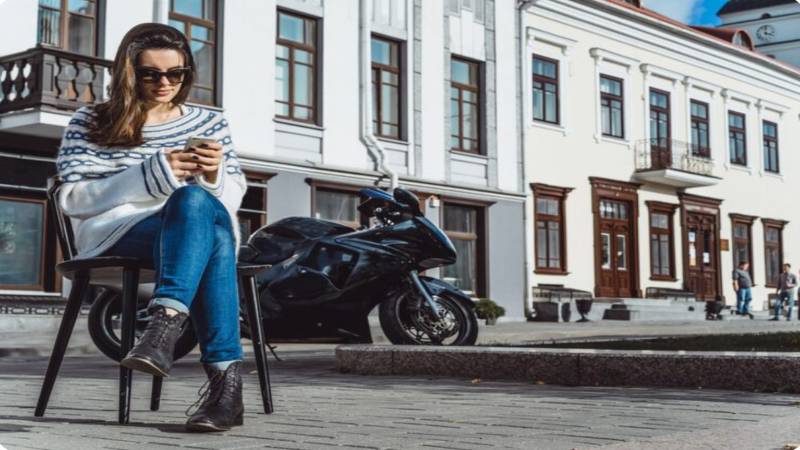
Idaho offers an unusually broad mix of riding: open highway, high mountain passes, forest roads, gravel routes, and established off-road trails. That variety makes the choice of dealership almost as relevant as the choice of motorcycle. The best motorcycle dealerships in Idaho will help you compare a machine with your experience, intended use, budget, and access to ongoing care.
This guide covers the main dealership regions, motorcycle categories, buying questions, service considerations, and practical steps to take before signing paperwork. Whether you are researching Idaho motorsports dealers from home or preparing to visit a showroom, the goal is a motorcycle that fits the way you actually ride.
Match your riding style to the right motorcycle dealership in Idaho
A dealership visit is more productive when you know what kind of riding you expect to do. A comfortable touring motorcycle may be ideal for long pavement days but unnecessary for a short trail loop, while a lightweight dirt bike may be poorly suited to highway travel. Start with your riding priorities, then look for a dealer that regularly handles the category you are considering.
A good salesperson should be able to explain differences in seating position, controls, suspension, maintenance, and intended use without pushing you toward the most expensive model. Bring an honest description of your experience and typical routes. That gives the conversation a useful starting point.
Cruisers and touring motorcycles for relaxed, long-distance rides
Cruisers and touring motorcycles appeal to riders who value a relaxed position, steady road manners, and room for longer outings. When comparing them, sit on several models rather than relying only on specifications. Small differences in reach to the bars, foot controls, seat shape, and wind protection become noticeable after hours on the road.
Ask the dealership how each motorcycle handles luggage, passenger use, fuel stops, and routine highway riding. A model with practical storage and a comfortable riding position may be more satisfying than one selected mainly for its engine size or appearance.
Sport bikes for responsive handling and performance
Sport bikes are built around responsive handling, controlled body position, and a more performance-focused experience. Their forward-leaning ergonomics can feel natural on a short ride but demanding during commuting or extended travel, so spend time assessing your wrists, hips, knees, and neck before making a decision.
Discuss your experience level openly. The right motorcycle should provide manageable control and predictable responses, not simply the highest available power. Ask about rider aids, tire choices, maintenance intervals, and whether the dealership can explain the model’s controls clearly.
Dual-sport and adventure motorcycles for pavement and dirt
Dual-sport and adventure motorcycles suit riders who want to move between paved roads and less-traveled surfaces. The useful comparison is not just engine displacement; consider ground clearance, wheel size, suspension travel, curb weight, fuel range, and how easily you can place both feet when stopped.
A dealership can help you think through the balance between road comfort and off-pavement control. If your routes include gravel or forest roads but not technical single-track, a road-oriented adventure model may be a better fit than a specialized off-road machine.
Dirt bikes, ATVs, and off-road vehicles for trail-focused riding
Dirt bikes, ATVs, and other off-road vehicles call for a different buying conversation. Ask about terrain, rider age, passenger rules, protective equipment, transport, and where the vehicle may legally be operated. An off-road vehicle should match both the trail conditions and the way you plan to get it to those trails.
For shoppers using the phrase Switchback Motorsports during their research, the same questions apply: identify the vehicle category first, then compare fit, support, parts availability, and total ownership needs. Safety equipment and instruction deserve space in the budget, especially for a new rider.
Explore Idaho’s main dealership regions
Idaho is geographically large, and dealership location can shape the buying experience. A nearby showroom may make inspections and service easier, while a farther dealer may be worth the trip if it has the right model or category expertise. Search results can provide a starting list, but a phone call often reveals more about current stock and appointment availability.
The regions below are useful reference points rather than strict boundaries. Riders frequently travel across the state for a particular motorcycle, a better trade-in conversation, or service from a team they trust. Consider both the initial drive and the future trips required for maintenance.
Motorcycle dealerships in Boise and the Treasure Valley
Boise and the Treasure Valley give riders access to a large population center and a range of nearby environments. A buyer can compare motorcycles suited to commuting, highway travel, foothill roads, and recreational use without treating one type of riding as the default.
When contacting a dealership in this region, ask whether the exact model is physically available, whether another trim is expected, and how far ahead service appointments are booked during warm weather. If you are researching Switchback Motorsports alongside local options, compare written details rather than assuming that a familiar name means the same inventory or service access.
Dealers serving Idaho Falls, Rexburg, and eastern Idaho
Eastern Idaho riders may be planning trips toward mountain roads, agricultural routes, national forest access, or longer interstate stretches. A dealership serving Idaho Falls, Rexburg, or nearby communities may therefore see demand for several very different motorcycle and powersports categories.
Distance matters here because a purchase is only the first interaction. Ask about delivery, parts ordering, warranty handling, and whether routine service can be scheduled locally. A dealer that clearly explains those logistics can be easier to work with than one chosen solely for a small difference in advertised price.
Powersports options in northern Idaho, including Sandpoint and Lewiston
Northern Idaho includes communities with distinct riding environments, from paved routes and river corridors to forest roads and recreational trails. Sandpoint and Lewiston can be practical search areas for riders who want a dealership within reach of their regular routes and storage location.
Inventory may vary by season and by the local mix of riders. Before driving a long distance, confirm the motorcycle’s condition, size, trim, accessories, and ownership history. If a particular unit is not available, ask whether the dealership can provide a realistic arrival estimate rather than a vague promise.
How location affects inventory, test rides, delivery, and service access
A dealership’s location influences more than convenience. It can affect which models are displayed, how easily a test ride can be arranged, the cost of transporting a motorcycle, and how practical it is to return for service. These details deserve comparison before you make a deposit.
Use a simple regional check when comparing motorcycle dealerships in Idaho:
- Confirm the motorcycle is physically available or obtain a written incoming-unit estimate.
- Ask whether test rides require an appointment, a deposit, or specific weather conditions.
- Price delivery, pickup, and any transport equipment separately from the motorcycle.
- Find out how routine service and warranty concerns are handled after the sale.
That short conversation can expose costs and scheduling issues that an online listing will not show. It also helps you decide whether a farther dealership offers enough value to justify the extra travel.
Compare brands, inventory, and dealership expertise
A motorcycle’s badge is only one part of the decision. The dealership’s familiarity with the category, the availability of parts, and the clarity of its pricing can affect ownership for years. Compare the motorcycle itself with the level of support you can realistically access.
Inventory also changes quickly, particularly during the main riding season. A useful inquiry is specific: ask for the model, trim, color, mileage, accessories, and estimated arrival date. General statements about having “many options” are less useful than details you can verify.
New versus used motorcycles for different budgets
New motorcycles offer the appeal of current equipment, known initial history, and available manufacturer coverage according to the purchase terms. Used motorcycles can reduce the initial cost, but condition, mileage, previous modifications, storage, and service records become central to the evaluation.
Do not compare only monthly payments. Compare the out-the-door price, likely first service, tires, registration, insurance, and gear. A lower-priced used motorcycle may need immediate work, while a new model may carry fees or accessories that change the final figure.
Brand-specific dealers versus multi-brand powersports stores
A brand-specific dealer may have deep familiarity with a particular manufacturer’s models and ordering process. A multi-brand powersports store may make side-by-side comparisons easier, especially when you are still deciding between categories or manufacturers.
Neither format is automatically better. Ask who will perform service, what training applies to the model, which parts are normally stocked, and whether the staff can explain alternatives without dismissing your intended use. The quality of the answers matters more than the sign above the door.
How to evaluate model availability and incoming inventory
Availability should be treated as a fact to verify, not an assumption based on a website photo. Confirm whether a listed motorcycle is new, used, sold but still displayed, or incoming. For a used unit, request the mileage and ask whether the photographs show the actual motorcycle.
Ask for an estimated arrival window and clarify whether a deposit is refundable. If the motorcycle is incoming, get the expected trim and equipment in writing. That reduces confusion if a similar-looking unit arrives with different options or pricing.
Questions to ask when a dealership does not stock your preferred motorcycle
A missing model does not always end the conversation. The dealership may be able to explain a comparable model, the next expected shipment, or the practical differences between the motorcycle you named and one already available. It is reasonable to ask for a straightforward answer rather than a forced substitute.
When the name Switchback Motorsports appears in your search, apply that same neutral process: ask what is available, what can be ordered, and what support remains available after delivery. Keep a written record of model numbers, promised equipment, timing, and cancellation terms before committing funds.
Evaluate dealership services before you buy
The purchase conversation should include the years after delivery. Motorcycles need inspections, fluid changes, tires, chain or belt attention, battery care, and occasional troubleshooting. A dealership that can explain its service process clearly gives you a better basis for comparing offers.
Services vary by location and by motorcycle category. Ask what is performed in-house, what must be ordered, and how seasonal demand affects scheduling. Service access matters because an inexpensive purchase can become inconvenient if routine care requires repeated long-distance trips.
Factory-trained technicians and routine maintenance capabilities
Ask who will work on the motorcycle and whether the technicians have relevant manufacturer training. You can also ask which routine services are performed locally, how estimates are approved, and whether the shop maintains service records that you can access later.
For a used motorcycle, request an explanation of the inspection process before purchase. The exact checklist may differ, but you should understand what was reviewed, what was repaired, and what remains your responsibility after delivery.
Parts, accessories, riding gear, and customization support
Parts and accessories can change how a motorcycle fits your routes, body, and storage needs. Discuss luggage, windscreens, protective equipment, tires, hand guards, communication systems, and security equipment as relevant to your riding. Avoid adding everything at once simply because it is available in the showroom.
Ask whether an accessory affects warranty terms, fitment, or service. Gear should also be treated as functional equipment: the correct helmet, gloves, boots, and protective clothing may be more valuable than cosmetic additions that can wait.
Trade-ins, financing, warranties, and protection plans
A trade-in estimate should be separated from the price of the motorcycle you are buying. Bring title information, loan details, maintenance records, keys, and honest information about modifications. Ask whether the appraisal is conditional on a later inspection.
Financing and protection products require equally careful reading. Confirm the annual percentage rate, term, total amount financed, required down payment, cancellation rights, warranty exclusions, deductibles, and what is included in the advertised price. Monthly affordability does not reveal the full cost.
Service scheduling and support during Idaho’s riding season
Spring and summer service departments can become busy when many riders prepare for the road at once. Ask how appointments are booked, whether urgent problems have a separate process, and how long common parts usually take to arrive. A pre-season inspection may be easier to schedule than a last-minute repair before a planned trip.
Write down the recommended break-in service and future intervals before leaving the dealership. If you buy far from home, identify a practical local service option and keep all invoices, inspection notes, and warranty paperwork together.
Choose a motorcycle that fits Idaho roads and conditions
Idaho riding can change quickly with elevation, weather, road surface, and distance between services or fuel stops. The ideal motorcycle is not necessarily the most specialized one; it is the one whose strengths match the routes you will actually ride. Think in terms of repeated use, not a single adventurous weekend.
Discuss your common destinations with a dealer, but make your own judgment after sitting on and riding the motorcycle. A model that feels exciting in a showroom may be tiring when loaded, exposed to wind, or used on a rough surface.
Highway touring across long distances and changing weather
For long highway rides, consider wind protection, seat comfort, luggage capacity, fuel range, lighting, and the ease of maintaining a steady pace. Idaho distances can make small ergonomic problems noticeable, especially when weather changes during the day.
Layering and storage also matter. Ask whether the motorcycle can carry the equipment you normally bring and whether luggage remains stable when loaded. A comfortable rider is more attentive and less likely to cut a trip short because of fatigue.
Mountain roads, forest routes, and scenic byways
Mountain roads reward predictable handling and manageable braking more than excess power alone. Consider low-speed balance, engine response, suspension behavior, and how confidently you can turn or stop on uneven pavement. Seat height matters when roads become narrow or you need to put a foot down.
Forest routes may introduce shade, loose material, changing visibility, and limited phone service. Select tires and equipment for the surfaces you expect, while remembering that a motorcycle optimized for pavement may have different limits from one designed for dirt.
Gravel roads, trails, and mixed-surface adventure riding
Mixed-surface riding calls for honest attention to weight and recovery. A motorcycle that is easy to manage on gravel is generally less stressful than one that feels unwieldy when the surface becomes loose or rutted. Ground clearance, suspension, tires, and protective components all deserve a practical discussion.
Clarify where you intend to ride and whether the motorcycle is street legal for the roads connecting those areas. Also plan for navigation, tools, hydration, and a way to contact help. Capability on paper does not replace preparation.
Storage, transport, and winterization considerations
Idaho winters can affect batteries, fuel systems, tires, and exposed metal when a motorcycle is stored for an extended period. Before buying, decide where the motorcycle will live, how it will be secured, and whether you have access to power, a cover, and a stable surface.
If the motorcycle will be transported to trails, price a trailer, loading equipment, tie-downs, and storage space. Ask the dealership for model-specific storage guidance and record the steps required before the next riding season.
Compare motorcycles during a dealership visit
A showroom visit should answer practical questions, not just create an emotional reaction. Wear clothing similar to what you ride in, bring a passenger if passenger comfort matters, and allow enough time to compare more than one motorcycle. Photos and specifications are useful, but touch points and balance are difficult to judge remotely.
Take notes while impressions are fresh. The motorcycle that feels most impressive in the first minute is not always the one that feels most natural after repeated starts, stops, turns, and adjustments.
How to assess ergonomics, seat height, and rider comfort
Sit on the motorcycle with both hands on the controls and your feet where they would be at a stop. Check reach to the bars, knee bend, hip angle, lever position, and whether you can move your body comfortably. If the motorcycle feels tall or heavy, ask whether a different seat or setup is available, but do not assume every change will solve the issue.
Try mounting from both sides if appropriate and imagine maneuvering it in a parking space. Confidence at low speed is a meaningful part of comfort, particularly for newer riders or anyone who expects frequent stops.
What to inspect on a new or pre-owned motorcycle
A new motorcycle should still be checked against the agreed model, color, equipment, and condition. On a pre-owned motorcycle, inspect controls, tires, brake components, chain or belt, fork seals, fasteners, lights, fluid areas, and signs of drops or corrosion. Ask for service records and an explanation of any modifications.
Do not rush past small discrepancies. A scratched component, mismatched tire, or missing key may be minor, but it should be documented and reflected in the agreement before payment.
Test-ride questions about handling, power, and control
During a test ride, notice how easily the motorcycle starts, balances, accelerates, turns, stops, and shifts. Ask whether the controls feel predictable and whether vibration, wind, or heat becomes distracting. If you are not licensed or the dealership cannot offer a test ride, ask about a supervised demonstration and a clear return or exchange policy.
Use the ride to test your intended use rather than chase a dramatic first impression. A motorcycle that feels controllable in ordinary traffic may serve you better than one that only feels exciting under aggressive acceleration.
Estimating ownership costs beyond the purchase price
The purchase price is only the beginning of the budget. Include insurance, registration, fuel, tires, scheduled maintenance, storage, transport, protective gear, and likely accessories. For a used motorcycle, reserve money for an initial inspection and age-related replacements.
A simple comparison can keep the decision grounded. Ask the dealership to separate recurring expenses from one-time purchases and to identify any fees that appear only at final paperwork.
| Cost area | Questions to ask | Why it matters |
| Purchase and fees | What is the out-the-door price? | Reveals the actual amount due |
| Financing | What are the APR, term, and total repayment? | Shows the cost over time |
| Maintenance | Which services are due and when? | Helps forecast routine ownership |
| Equipment | What gear and accessories are essential? | Prevents underbudgeting for safe use |
| Storage and transport | Will the motorcycle need winter storage or a trailer? | Accounts for practical operating needs |
After you have these figures, compare motorcycles on total use rather than sticker price alone. The clearer the estimate, the less likely a small monthly payment will conceal a purchase that does not fit your budget.
Build a practical buying plan with an Idaho dealer
A deliberate buying plan keeps excitement from crowding out basic checks. Decide what you can spend, what paperwork you need, how the motorcycle will reach your home, and where its first service will occur. Then give the dealership enough information to provide a useful written proposal.
You do not need to solve every future question before shopping. You do need to know which answers are required before you sign, pay a deposit, or trade in another vehicle. That distinction makes the process simpler.
Set a realistic budget for the motorcycle and essential gear
Set a total budget that includes the motorcycle, taxes and fees, insurance, registration, protective gear, initial service, and storage. If you are financing, compare the total repayment amount as well as the monthly payment. Leave room for ordinary maintenance rather than spending every available dollar on the purchase.
Make a short list of essential equipment before entering the showroom. A properly fitted helmet and suitable protective clothing should not be treated as optional decoration, even if some accessories can be postponed.
Verify licensing, insurance, registration, and safety requirements
Confirm the licensing class and endorsement needed for the motorcycle you plan to operate. Ask your insurer for a quote using the exact year, model, and intended use, then check registration requirements with the relevant Idaho authority. Requirements can change, so rely on current official guidance rather than memory or casual advice.
If you are buying an ATV or another off-road vehicle, clarify where it may be operated and what registration or equipment rules apply. The dealership can point you toward useful information, but the rider remains responsible for following applicable laws.
Get written pricing for fees, financing, and dealership add-ons
Request a written, itemized quote showing the motorcycle price, freight or setup charges, documentation fees, taxes, registration, accessories, protection products, trade value, down payment, APR, and total financed amount. Ask which items are required and which are optional.
When comparing Switchback Motorsports with other search results or dealerships, use matching quotes and matching equipment. A lower headline price is not a genuine comparison if one offer excludes setup, delivery, or accessories included in another.
Plan delivery, break-in service, and future maintenance конусан
Before delivery, confirm the agreed condition, accessories, keys, manuals, temporary paperwork, and transport arrangements. Ask the technician or sales representative to review controls, fluid checks, tire pressures, storage procedures, and the manufacturer’s break-in guidance.
Schedule the first service according to the motorcycle’s documentation and keep a record from the beginning. A simple maintenance folder with invoices, dates, mileage, and parts can support future troubleshooting and make a later sale easier.
Conclusion
Choosing among motorcycle dealerships in Idaho is less about finding the biggest showroom and more about matching a dealership’s inventory, knowledge, location, and service process to the way you ride. Compare motorcycles in person, verify the full price, ask direct questions, and plan for ownership beyond delivery. With that groundwork, an Idaho dealer can become a practical resource for selecting and maintaining a motorcycle that fits your roads, experience, and plans.
Frequently Asked Questions
How do I choose among motorcycle dealerships in Idaho?
Compare the dealership’s current inventory, category expertise, service capacity, location, written pricing, and policies for test rides, delivery, trade-ins, and warranty support. The best choice is the one that fits both your purchase and your likely ownership needs.
Should I buy a new or used motorcycle?
A new motorcycle may offer current equipment and a known starting condition, while a used motorcycle may reduce the initial price. Compare condition, maintenance history, tires, fees, coverage, and likely immediate repairs rather than relying on price alone.
What should I bring to a dealership visit?
Bring your license, insurance questions, trade-in information, a realistic budget, and a short description of your planned riding. Wear practical clothing and bring any passenger whose comfort will affect the decision.
Can I test-ride a motorcycle before buying it?
Policies differ by dealership, motorcycle, weather, and rider qualifications. Ask in advance about licensing, appointment requirements, deposits, protective equipment, and alternatives if a conventional test ride is unavailable.
What costs should I expect besides the motorcycle price?
Plan for taxes and fees, registration, insurance, fuel, maintenance, tires, protective gear, accessories, storage, and transport. Financing can add substantial cost over time, so request the APR and total repayment amount.
How far should I travel to buy a motorcycle?
Travel farther when the difference in model availability, price, condition, or expertise justifies it. Before making the trip, confirm the actual unit, paperwork, delivery options, and the process for future service or warranty concerns.
What should I ask about a pre-owned motorcycle?
Ask for mileage, ownership and service history, title status, accident or drop information, modifications, inspection details, remaining coverage, and known upcoming maintenance. Have the written answers match the purchase agreement before paying.See More